At 26 weeks, you’re now around 6 months pregnant. You’re nearing the final week of your second trimester (that’s week 27), and you’re over halfway through your pregnancy.
26 Weeks Pregnant: Your Guide to Baby's Development & Symptoms
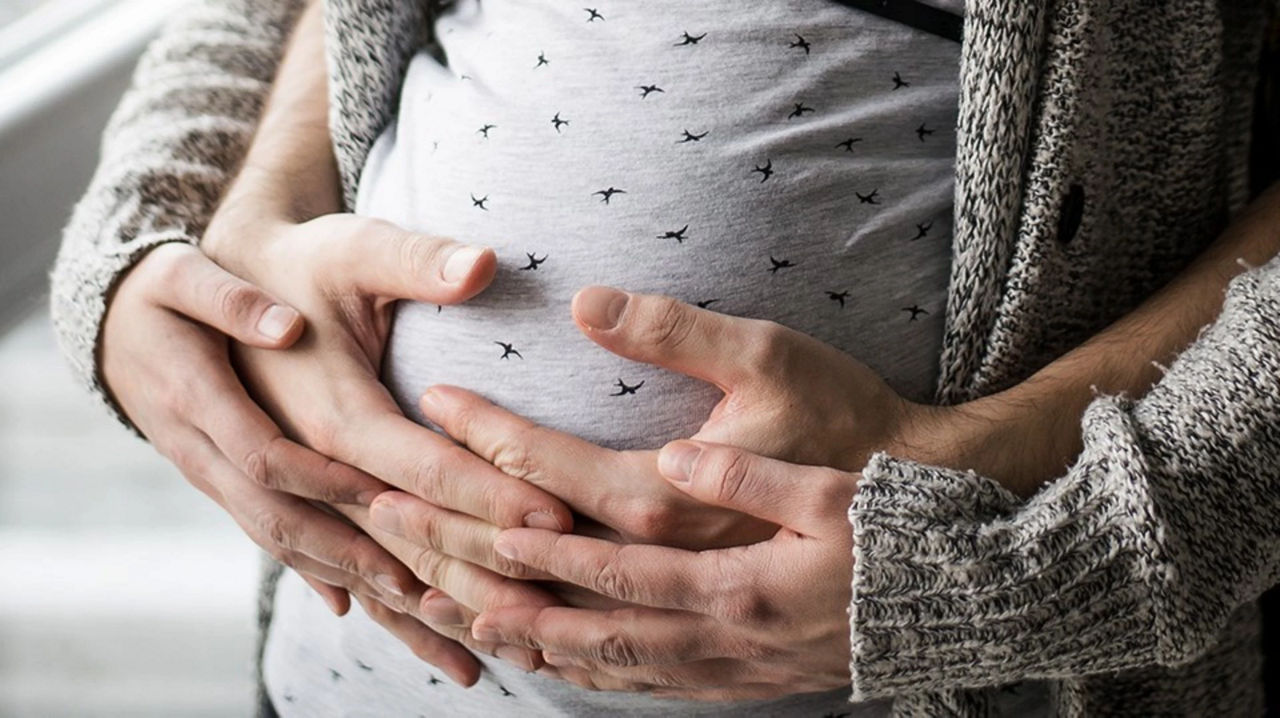
Explore pregnancy stages week by week
26 weeks pregnant is how many months?
Month 9 (Trimester 2)


Your baby’s development at 26 weeks pregnant
There are some exciting developments at 26 weeks pregnant, including the fact that the lids covering your baby’s eyes are starting to open for the first time. Very soon, they’ll be starting to blink1.
The colour of your baby’s eyes is entirely dependent on genetics, and it can keep changing throughout their childhood (sometimes even into adulthood). However, in most cases, the colour of your baby’s eyes will be pretty settled by the time they’re 3 years old2.
Your baby’s going through quite a growth spurt this week, and if you’re noticing some weight gain, much of this will be down to your growing baby putting on fat3. In addition, their brain and nervous system are rapidly developing, with brain tripling in size between weeks 27 and 40 of your pregnancy4.
Your baby’s lungs aren’t fully developed yet, but every day they’re practising their breathing movements, which can result in them having the hiccups2.
How big is my baby at 26 weeks pregnant, and what do they look like?
Your baby at 26 weeks is around the size of a cucumber, measuring approximately 35.6 cm long1.
Your baby’s fingernails are continuing to grow on their tiny fingers. They’ll be fully formed from around 28 weeks5, so get some baby nail clippers ready for action.
How big is my baby at 26 weeks pregnant, and what do they look like?
At 26 weeks pregnant, your baby is around the size of a cucumber, measuring approximately 35.6 cm long1.
Your baby’s position at 26 weeks pregnant
Whilst some babies are born bottom or feet first (known as the breech position), most will have moved into the head down position as the time approaches for you to give birth6. However, your baby at 26 weeks still has lots of room to move around, and there’s plenty of time for them to move into the correct position for labour.
Does baby movement slow down at 26 weeks pregnant?
You’ll likely notice your baby’s movements more at 26 weeks pregnant as they become bigger and more active (they might be even more active at night-time).
There’s no set amount of movement that you’ll feel or how often you’ll feel it. Every baby is different, and it’s important to be familiar with your baby’s individual patterns so you can recognise when and if you need to seek medical advice7.
Your baby’s movements won’t slow down at 26 weeks pregnant. In fact, you should continue to feel your baby move right up until you go into labour.
By now, you might start to see your baby’s movements through your week 26 pregnancy bump. Try talking to your baby, as they may move in response to your voice and the noises they hear from the outside world8.
What if I notice a change in my baby’s movements?
If you notice that your baby isn’t moving as often as they usually do, this could be a sign that they’re unwell and require medical attention. You should always seek medical advice straight away if7:
- There’s a change to your baby’s usual pattern of movement
- You notice that your baby is moving less than usual
- You can’t feel your baby moving
Ultrasounds & scans at 26 weeks pregnant
At 26 weeks pregnant, you won’t be offered a routine scan, and you’ll have already had your anomaly scan at 20 weeks if you’ve chosen to do so.
However, some women choose to pay to have a 3D or 4D scan, during which you’ll be able to see your baby in much closer detail.
Your bump at 26 weeks pregnant
Every pregnancy and every pregnant tummy is different. Your age, previous pregnancies and births, height, build and fitness - these are all things that can affect the way your week 26 pregnancy bump looks and feels.
You may notice that you’ve developed stretch marks - a very common pregnancy symptom, affecting around 8 of 10 women9. They happen because of your skin stretching as your baby grows and your uterus expands.
Stretch marks can be brown, pink or red in colour, but over time they tend to fade and become paler9. Stretch marks can feel itchy, but rest assured that they’re not harmful to either you or your baby.
As your uterus grows, it can put some pressure on your abdomen, causing your belly button to protrude, flatten, or stretch. If it becomes uncomfortable, try wearing loose clothing so that it doesn’t cling to your skin10.
Will my bump drop at 26 weeks pregnant?
When your bump ‘drops’, this means that it may look lower as your baby’s head moves down into your pelvis. This is when your baby is said to be ‘engaged’, ready for birth11. It’s unusual for this to happen at 26 weeks pregnant and is more common as you come towards the end of your pregnancy.
If you notice that your bump does look and feel lower, it may be that your baby has just found a comfortable position to be in. However, seeking medical advice from your doctor or midwife will help to put your mind at rest. You should also seek medical advice if your bump has dropped and you’re experiencing abdominal cramps, bleeding or unusual vaginal discharge.
26 Weeks Pregnant Symptoms
From tiredness and swelling, to constipation, leg cramps and heartburn, let’s take a look at some of the other symptoms you might become familiar with at 26 weeks pregnant.
It’s very common to feel tired during your pregnancy. During your first trimester, this is most likely due to pregnancy hormones.
At 26 weeks pregnant, your growing bump can make it hard to sleep12. Not to mention the fact that you may be waking up in the night for a wee more frequently.
If the tiredness becomes difficult to manage, talk to your doctor or midwife, as they’ll be able to tell you whether any tests are needed and whether your iron levels are low.
It’s best to try and avoid sleeping on your back from 28 weeks, because it can affect the flow of blood and oxygen to the placenta and your baby. Instead, sleep on your left or right side. Don’t worry if you wake up on your back, just roll over onto your side again before going back to sleep12.
Swelling is a common symptom of pregnancy, and can affect your feet, ankles, legs and fingers. It can be worse as your pregnancy progresses, and towards the end of the day.
If the swelling comes on gradually, there’s usually nothing to worry about, although it can make you uncomfortable.
Sometimes, swelling can also be a sign of preeclampsia, a condition that requires medical treatment. You should always seek medical advice if you notice13:
- Swelling that comes on suddenly in your face, hands or feet
- Any problems with your vision
- Severe headaches and vomiting
Some women report a sense of ‘baby brain’ whereby they start to become more forgetful during pregnancy. However, there’s no evidence to suggest that this is a medical condition and may well be down to being tired and having a lot to think about in the run-up to the birth of your baby1.
At 26 weeks pregnant, the hormonal changes happening throughout your body may mean that you’re suffering from constipation14.
Drinking plenty of water and including plenty of fibre-packed foods in your diet (fruits, vegetables and wholemeal breads, for example) can help to ease the symptoms of constipation, as can doing regular exercise if you have the energy and feel up to it14.
How much water should you drink during pregnancy?
Leg cramps are very common in pregnancy, and often present as a sudden and sharp pain in your feet and/or calf muscles. For many women, leg cramps are worse at night14 - another thing that might be affecting you getting a decent 40 winks.
Trying some of our top tips below could help with any discomfort14:
- Stretching and bending your feet vigorously and regularly
- When leg cramps happen, rub the muscles where it occurs
- Pulling your toes towards your ankles
- Rotate your feet in each direction up to 8 times
Leg pain can also be caused by varicose veins, which can be common in pregnancy. Observe the colour of your legs and the consistency of the pain, and seek advice from your midwife or GP if you are unsure whether you are affected.
Progesterone, a pregnancy hormone, can result in heartburn (sometimes called acid reflux). As your baby grows bigger, they can put more pressure on your stomach, which can make any heartburn symptoms that you might have, worse15.
Symptoms of heartburn include15:
- Feeling or being sick
- A painful sensation or burning feeling in your chest area
- Bloating
- Bringing up food and burping
You should seek medical advice if the symptoms of your heartburn are causing you any discomfort, as they’ll be able to provide you with guidance on pregnancy-safe heartburn remedies.
A common pregnancy symptom, backache, can happen at any point during your pregnancy. At 26 weeks pregnant, your baby is growing bigger, meaning that more pressure is being put on your lower back and your pelvis16. In addition, pregnancy causes the ligaments in your body to naturally stretch and become softer in preparation for giving birth16.
To ease any discomfort of backache, try having a warm bath, get plenty of rest, and avoid wearing heeled shoes17. If your backache doesn’t ease or is accompanied by any cramping and bleeding, always seek medical advice to ensure you’re not going into early labour.
During your pregnancy, you may feel warmer than usual and find yourself having flushes. This is because of the increased blood supply to your skin and the hormonal changes taking place in your body14.
To keep cool and keep warm flushes to a minimum, keep a fan nearby and keep your environment at a cool and comfortable temperature, wear light and loose clothing, and have frequent cool showers or washes14.
Braxton Hicks contractions at 26 weeks pregnant
Braxton Hicks, also known as ‘practice’ contractions, are a common experience for many women in later pregnancy. Some women describe them as a kind of ‘tightening’ across the abdomen, and in the main, they don’t last long, are irregular and are not painful17.
Always seek medical advice if you start to experience pain and/or bleeding or if the contractions start to become more regular.
Weight gain at 26 weeks pregnant
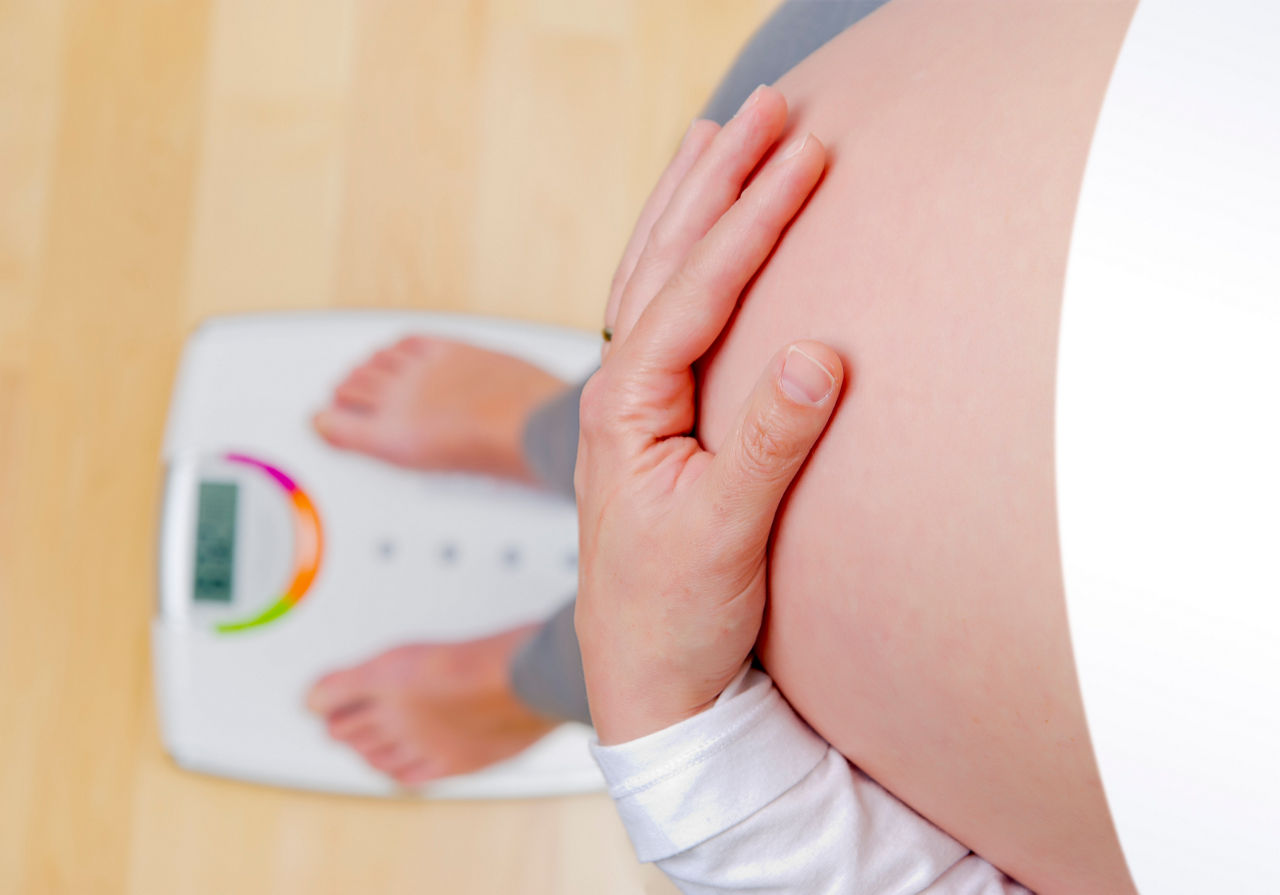
There’s no way to know how much weight you’ll gain during your pregnancy, as every woman and every pregnancy is different. As a general guide, most women gain anywhere between 10kg and 12.5kg (22–28lb) during their pregnancy. Most of this weight gain happens after week 20, and most of it is because of your growing baby3.
It’s important to eat a healthy and balanced diet during your pregnancy, as gaining too much weight can increase your blood pressure and lead to other complications such as gestational diabetes3.
Gestational diabetes is more common in the later stages of your pregnancy and occurs when your body can’t produce the amount of insulin you need18. If you’re at risk of gestational diabetes, you’ll be offered a screening test at around 26 weeks pregnant and be monitored closely during the rest of your pregnancy18.
Protein in pregnancy
Reviewed by Bahee van de Bor
We tend to eat plenty of protein as part of our everyday diet, such as meat, fish, eggs and dairy, it’s unlikely that you’ll need to adjust your intake.
That being said, getting enough protein in pregnancy is vital for your health and the health of your baby. That’s why it’s essential to include a variety of protein-rich foods as part of a healthy pregnancy diet.
Protein in pregnancy supports your baby’s development by19:
- Growing and repairing new and damaged tissues
- Making antibodies for their immune system
- Making hormones and enzymes
- Supporting muscle function
- Transporting oxygen through their blood
Other benefits of protein in pregnancy include a lower risk of pre-eclampsia and premature birth, and a higher likelihood of a healthy birth weight20. This is important, as healthy birth weight has been shown to reduce the risk of type-2 diabetes and heart disease in later life21.
Your protein requirements increase in pregnancy by 6g per day22. That’s either one egg, a handful of nuts, a glass of milk, or a tablespoon of peanut butter23.
If you’ve chosen to avoid animal products (which are the richest source of protein), you’ll be able to get many of the essential amino acids you need by eating a variety of pulses, beans, seeds and nuts22.
26 weeks pregnant: next steps
At 26 weeks pregnant, it’s important to pay attention to what your body needs. If you’re working, make sure that your workstation is set up to accommodate your changing needs, with the right desk height and comfortable sitting position, as well as the correct temperature.
Your diet is also important at this stage in your pregnancy, as your body needs more energy to meet the demands of your growing baby. Be sure to eat a diet that’s rich in iron and other essential vitamins and minerals, as doing so will help with your energy levels and help to prevent medical complications such as gestational diabetes. Ask your midwife or doctor if you feel that you need any extra support or guidance here.
Other things you might be thinking about at 26 weeks pregnant are:
- ● Packing your hospital bag - you can download our handy checklist here
- ● Arranging antenatal classes - if this is something you’d like to do but haven’t yet organised, now is the time to start looking for the one that’s right for you. Your midwife will have more information about what’s available in your area.
- ● Continue with your pelvic floor exercises.
- NHS Best Start in Life. Week 26 [online]. Available at https://www.nhs.uk/best-start-in-life/pregnancy/week-by-week-guide-to-pregnancy/2nd-trimester/week-26/. [Accessed October 2025]
- NHS Inform. How your baby develops week to week [online 2025]. Available at https://www.nhsinform.scot/ready-steady-baby/pregnancy/your-baby-s-development/how-your-baby-develops-week-to-week/#week-25-to-32. [Accessed October 2025]
- NHS. Weight gain in pregnancy [online 2022]. Available at https://www.nhs.uk/pregnancy/related-conditions/common-symptoms/weight-gain// [Accessed October 2025]
- NHS. Understanding my unborn baby [online]. Available at https://leedscommunityhealthcare.nhs.uk/our-services-a-z/infant-mental-health/my-unborn-baby-and-me/. [Accessed October 2025]
- NHS West Suffolk NHS Foundation Trust. Your baby’s development: 28 - 30 weeks gestation [online]. Available at https://www.wsh.nhs.uk/CMS-Documents/Patient-leaflets/PaediatricDepartment/6042-1Your-babys-development-28-30-weeks-gestation.pdf. [Accessed October 2025]
- NHS 111 Wales. Pregnancy Guide [online 2023]. Available at https://111.wales.nhs.uk/livewell/pregnancy/testsscanschecksbabypositions/. [Accessed October 2025]
- NHS. Your baby's movements [online 2024] . Available at https://www.nhs.uk/pregnancy/keeping-well/your-babys-movements/. [Accessed October 2025]
- NHS Essex Partnership University. Bump [online 2023]. Available at https://www.eput.nhs.uk/services/childrens-speech-language-therapy/universal-support-for-speech-language-and-communication-development-from-birth/bump/. Accessed October 2025]
- NHS. Stretch marks in pregnancy [online] 2022. Available at https://www.nhs.uk/pregnancy/related-conditions/common-symptoms/stretch-marks/#:~:text=Pregnancy%20stretch%20marks,-Stretch%20marks%20on&text=Stretch%20marks%20are%20narrow%2C%20streak,out%20of%2010%20pregnant%20women. [Accessed October 2025]
- Babycenter. How your belly button changes during pregnancy [online 2024]. Available at https://www.babycenter.com/pregnancy/your-body/your-pregnant-belly-button_40009124. [Accessed October 2025]
- NHS. Best Start in Life. Week 37 [online]. Available at https://www.nhs.uk/start-for-life/pregnancy/week-by-week-guide-to-pregnancy/3rd-trimester/week-37/#:~:text=When%20the%20baby's%20head%20moves,into%20place%20until%20labour%20starts. [Accessed October 2025]
- NHS. Tiredness and sleep problems [online 2024]. Available at https://www.nhs.uk/pregnancy/related-conditions/common-symptoms/tiredness/. [Accessed October 2025]
- NHS. Pre-eclampsia [online 2021]. Available at https://www.nhs.uk/conditions/pre-eclampsia/. [Accessed October 2025]
- NHS. Common health problems in pregnancy [online 2024. Available at https://www.nhs.uk/pregnancy/related-conditions/common-symptoms/common-health-problems/. [Accessed October 2025]
- NHS. Indigestion and heartburn in pregnancy [online 2023]. Available at https://www.nhs.uk/pregnancy/related-conditions/common-symptoms/indigestion-and-heartburn/. [Accessed October 2025]
- NHS. Back pain in pregnancy [online 2024. Available at https://www.nhs.uk/pregnancy/related-conditions/common-symptoms/back-pain/. [Accessed October 2025]
- NHS. Signs that labour has begun [online 2023]. Available at https://www.nhs.uk/pregnancy/labour-and-birth/signs-of-labour/signs-that-labour-has-begun/. [Accessed October 2025]
- NHS. Gestational diabetes [online 2022]. Available at https://www.nhs.uk/conditions/gestational-diabetes/#:~:text=Screening%20for%20gestational%20diabetes,-During%20your%20first&text=If%20you%20have%201%20or,which%20takes%20about%202%20hours. [Accessed October 2025]
- Borazjani F, Angali KA, Kulkarni SS. Milk and protein intake by pregnant women affects growth of foetus. J Health Popul Nutr. 2013 Dec;31(4):435-45. doi: 10.3329/jhpn.v31i4.19991. PMID: 24592584; PMCID: PMC3905637
- Herring CM, Bazer FW, Johnson GA, Wu G. Impacts of maternal dietary protein intake on fetal survival, growth, and development. Exp Biol Med (Maywood). 2018 Mar;243(6):525-533. doi: 10.1177/1535370218758275. Epub 2018 Feb 22. PMID: 29466875; PMCID: PMC5882021
- Institute of Medicine (US) Committee on Improving Birth Outcomes; Bale JR, Stoll BJ, Lucas AO, editors. Improving Birth Outcomes: Meeting the Challenge in the Developing World. Washington (DC): National Academies Press (US); 2003. 6, The Problem of Low Birth Weight. Available from: https://www.ncbi.nlm.nih.gov/books/NBK222095/
- British Nutrition Foundation. Protein [online 2023]. Available at https://www.nutrition.org.uk/healthy-sustainable-diets/protein/ [Accessed October 2025]
- McCance, R. A., & Widdowson, E. M. The Composition of Foods. 2021. Available at https://assets.publishing.service.gov.uk/media/60538e66d3bf7f03249bac58/McCance_and_Widdowsons_Composition_of_Foods_integrated_dataset_2021.pdf
Last reviewed: March 2026
Reviewed by Nutricia’s Medical and Scientific Affairs Team

related articles