At 1-4 weeks pregnant, you’re in your first month of pregnancy, and right at the start of your first trimester. Exciting times ahead!
Early Signs & Symptoms of Pregnancy: 1-4 Weeks
Explore pregnancy stages week by week
1-4 weeks pregnant is how many months?
Month 1 (Trimester 1)


Join Aptaclub for a chance to win a £100 John Lewis voucher, plus expert feeding advice, expert parenting tools, helpful checklists and the latest deals straight to your inbox.
By registering you're confirming you agree with our T&Cs and Privacy Policy. You can opt out anytime.
Reviewed by Deborah, an experienced midwife and public health specialist (MPH). Dedicated to evidence-based care, Deborah draws on her clinical expertise to advocate for women and families across the UK maternity system.
Your baby’s growth in the womb: 1-4 weeks
Even though the first signs of pregnancy may not be obvious just yet, there’s plenty going on inside your body. In fact, your baby is developing faster now than it will at any other point during your pregnancy3.
Here’s what’s happening for your baby at this early stage1,3:
- Your newly fertilised egg is made up of a single cell called a zygote.
- Around 90 hours after fertilisation, the cells within the zygote begin dividing, forming a tiny mass known as a blastocyst.
- The blastocyst travels from your fallopian tubes to your uterus, where it will implant itself into the lining of your womb to grow and develop.
- Once it reaches the uterus, your baby will be called an embryo.
It’s not uncommon to experience some light spotting or bleeding at around this time. This is called implantation bleeding, and can be one of the very early signs of pregnancy in week 14, around the time your period would have been due. If you are unsure about any bleeding during pregnancy, contact your midwife or GP.
Your baby’s growth in the womb: 1 - 4 weeks
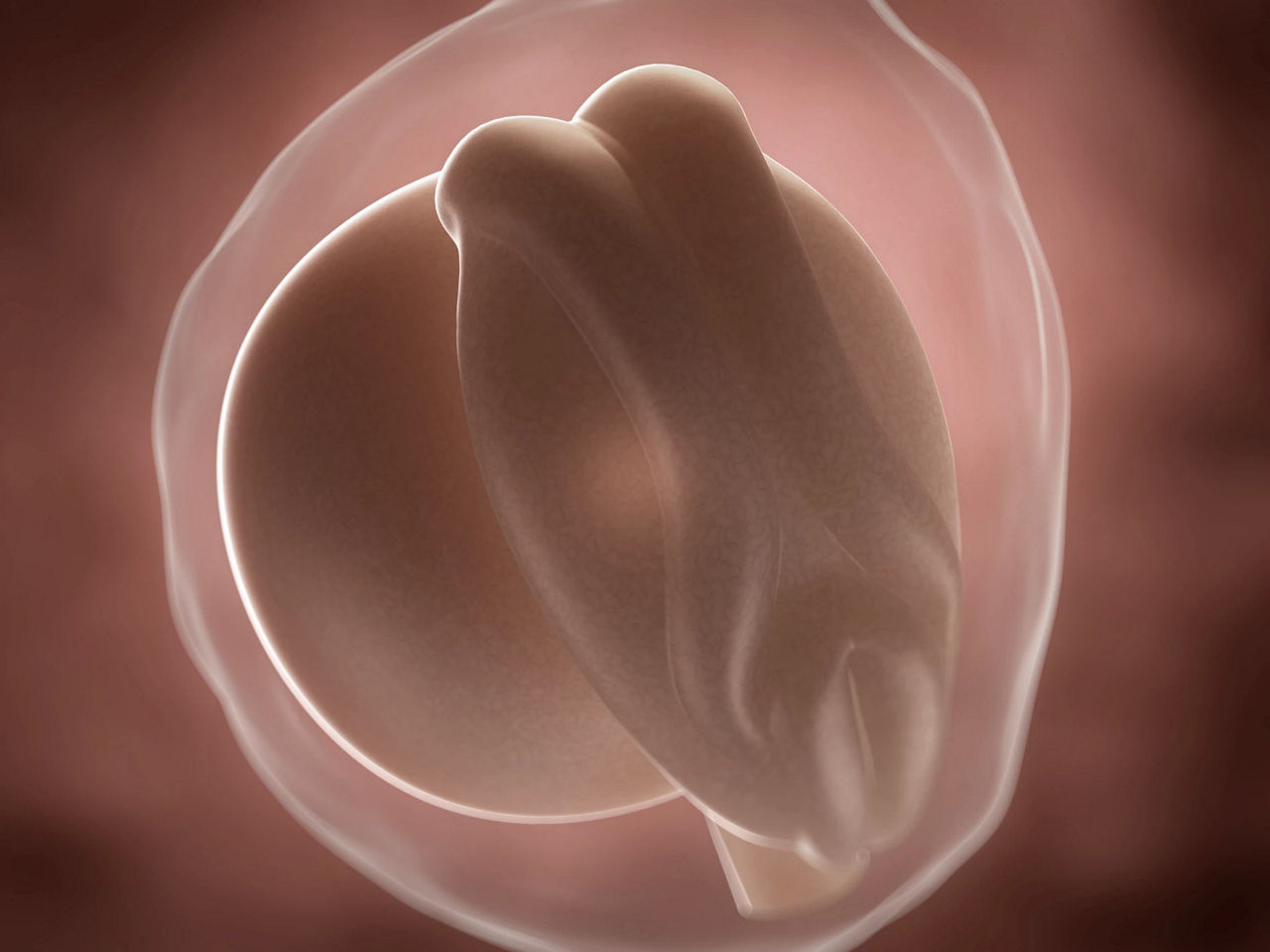
This early on in your pregnancy, your newly fertilised egg is made up of a single cell called a ‘zygote’(1). Around 90 hours after fertilisation, the cells within the zygote will divide, and will continue to do so until they form a tiny mass known as a blastocyst. This will then travel from your fallopian tubes to your uterus, where it will implant itself into the lining of your womb to grow and develop(1). Once this happens, your baby will be referred to as an embryo(2).
It’s not uncommon to experience some spotting or light bleeding at around the same time your period would have been due, and this is known as implantation bleeding(3).
Although the early signs of pregnancy (except for perhaps some implantation bleeding) may not have kicked in just yet, there’s plenty going on. In fact, your baby is developing faster now than it will at any other point during your pregnancy(4).
How big is my baby at 1-4 weeks pregnant?
At 4 weeks pregnant, your baby will be around the size of a poppy seed, measuring just 2mm long2.
Right now, they’re protected by the amniotic sac, which is filled with cushioning fluid. This is attached to a tiny yolk sac that will give your baby the nourishment they need for now. Later on, the outer layer of the sac will become the placenta, providing your baby with vital oxygen and nutrients as your pregnancy progresses2.
Early pregnancy symptoms at 1-4 weeks
Everyone pregnancy different. Whilst some women experience 1-4-week pregnancy symptoms, others won’t experience any pregnancy signs until later in the first trimester. There's really no way to tell what your experience will be.
Here are some of the first signs of pregnancy that you could experience at this stage.

One of the first and most reliable signs of early pregnancy is a missed period, especially if your menstrual cycle is fairly regular5.
You might also experience some spotting or lighter bleeding (called implantation bleeding) at around the time your period would have been due, which can happen when the embryo implants into the wall of your uterus5.
Feeling or being sick in early pregnancy – often called ‘morning sickness’ – is one of the most famous early pregnancy symptoms. Despite its name, morning sickness can happen at any time of the day or night, and usually starts from week 4 of your pregnancy5. Some women continue to experience morning sickness throughout their pregnancy.
The hormonal changes in your body can also lead to emotional signs of pregnancy, such as mood swings6. Be sure to keep an eye on how you’re feeling throughout your pregnancy, as well as after the birth of your baby. Make sure you’re taking care of yourself and resting when you need to. You can find more information and resources on mood swings on the Maternal Mental Health Alliance website. If you have any worries at all about your mental and emotional health, always speak to your doctor or midwife.
Learn more about taking care of you.
Tiredness is another common early pregnancy symptom. You might feel more tired than usual, or even exhausted, for the first few months of your pregnancy, until you enter your second trimester after week 12. Your sleep during pregnancy might be a little disturbed as your pregnancy progresses, remember to be kind to yourself and rest as much as you can5.
Swelling or tenderness in your breasts are common signs of pregnancy, but can often be mistaken for signs your period is about to come on. Your nipples may also appear darker, and the veins in your breasts may be more visible5.
It’s perfectly normal to experience an increased level of vaginal discharge during early pregnancy, as this helps to protect your womb from infections. In as little as 1 week, pregnancy discharge might be one of early pregnancy symptoms that you notice. Normal vaginal discharge looks milky white, so always speak to your doctor if it becomes itchy and painful, changes colour, or smells unpleasant7.
Headaches are a common early pregnancy symptom and usually improve with time. Try to get plenty of rest to help ease any discomfort. However, headaches can also be a sign of preeclampsia, so if your symptoms get more severe, always seek medical advice8.
Cramping can sometimes be mistaken for period pain in early pregnancy and is usually nothing to worry about. Cramping can be caused by constipation, bloating and trapped wind, and, later on in your pregnancy, the ligaments in your tummy change to support your growing baby9.
Needing to wee more frequently can be one of the early pregnancy signs. In later pregnancy, this symptom is usually a result of your growing baby pressing on your bladder. If you also notice a burning sensation when you wee, chills, cloudy wee or blood in your wee, speak to your doctor as this may indicate a urinary tract infection (UTI)10.
During your pregnancy, you may find yourself craving foods that you wouldn’t normally eat, and developing a dislike of the ones you do. You might also develop a metallic taste in your mouth as well as a more sensitive sense of smell5.
Hormonal changes related to pregnancy can make your skin appear darker in patches, or across your whole body. Your skin will also be more sensitive, so it’s important to wear a high-factor sunscreen and avoid staying in the sun for too long10.
Pregnancy hormones can also cause a stuffy, runny, or blocked nose11 and lead to more frequent nose bleeds12.
Early pregnancy: what changes are happening in your body?
At this point in your pregnancy, it’s unlikely that you’ll look pregnant or have a noticeable baby bump. Most first-time mums don’t start showing until at least week 12, at the end of the first trimester13. However, if you’ve been pregnant before, you may start showing a little sooner, as the muscles in your uterus have been stretched by a previous pregnancy.
Growing your placenta
By week 4, your body is starting to grow the placenta, a brand-new organ that will supply your baby with the oxygen and nutrients needed to grow and develop. The placenta ensures that antibodies are passed to your baby, helping them strengthen their immune system in the final stages of pregnancy2,14.
The placenta also produces hormones to support your baby’s growth and development in the womb, and the physical changes happening to your body15.
Your early pregnancy diet
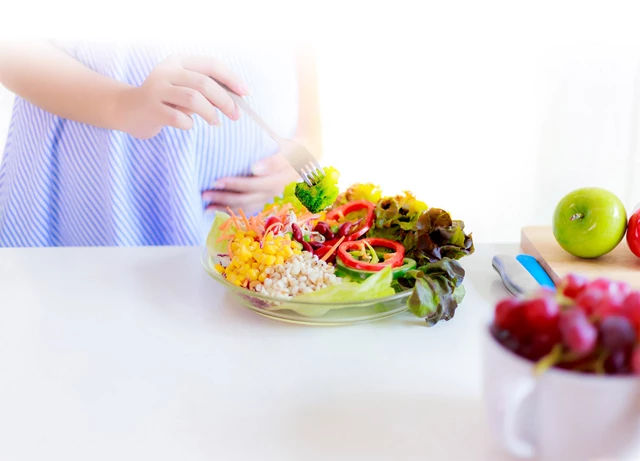
You won’t need to follow a special or particular diet during your pregnancy unless you’ve been advised to do so by your doctor or midwife16. The important thing is to eat a variety of different foods every day, as that’s the best way to ensure that you and your baby are getting all of the vitamins and minerals you need.
From the moment you find out that you’re pregnant, or if you’re trying for a baby, there are certain foods that you’ll need to either avoid entirely or reduce the amount you eat.
This includes things like17:
- Raw and uncooked meat.
- Unpasteurised milk and certain cheeses.
- Foods that contain a high level of vitamin A.
It’s also important to ensure that you’re taking a folic acid supplement every day - the recommended intake is 400mcg. Folic acid supports the development of your baby’s nervous system and can help to protect against spina bifida18. We cover the importance of folic acid in more detail in week 5.
Eat a healthy, balanced pregnancy diet
Get expert insights into your pregnancy diet, including nutrients you’ll need more of and foods to avoid.
Getting enough vitamin C and iron in pregnancy
Eating a varied and balanced diet during pregnancy will help ensure you and your baby get all the nutrients you need, including vitamin C and iron.
Getting enough iron in your diet during pregnancy is important for energy and preventing anaemia, while vitamin C protects your cells, keeping them healthy18.
Most people can get all the iron and vitamin C they need from their diet, without needing to take a supplement. Sources of vitamin C and iron include:
| Sources of iron19 | Sources of vitamin C18 |
|
|
Early pregnancy FAQs
Can you feel pregnant before you miss a period?
It’s unlikely that you’ll feel pregnant before you miss a period, especially if your menstrual cycle is regular and reliable. You’re more likely to start experiencing some of the early signs of pregnancy when the ‘pregnancy hormone’ human chorionic gonadotrophin (hCG) starts to become active, usually about 2 weeks after you conceive20.
How soon should I take a pregnancy test?
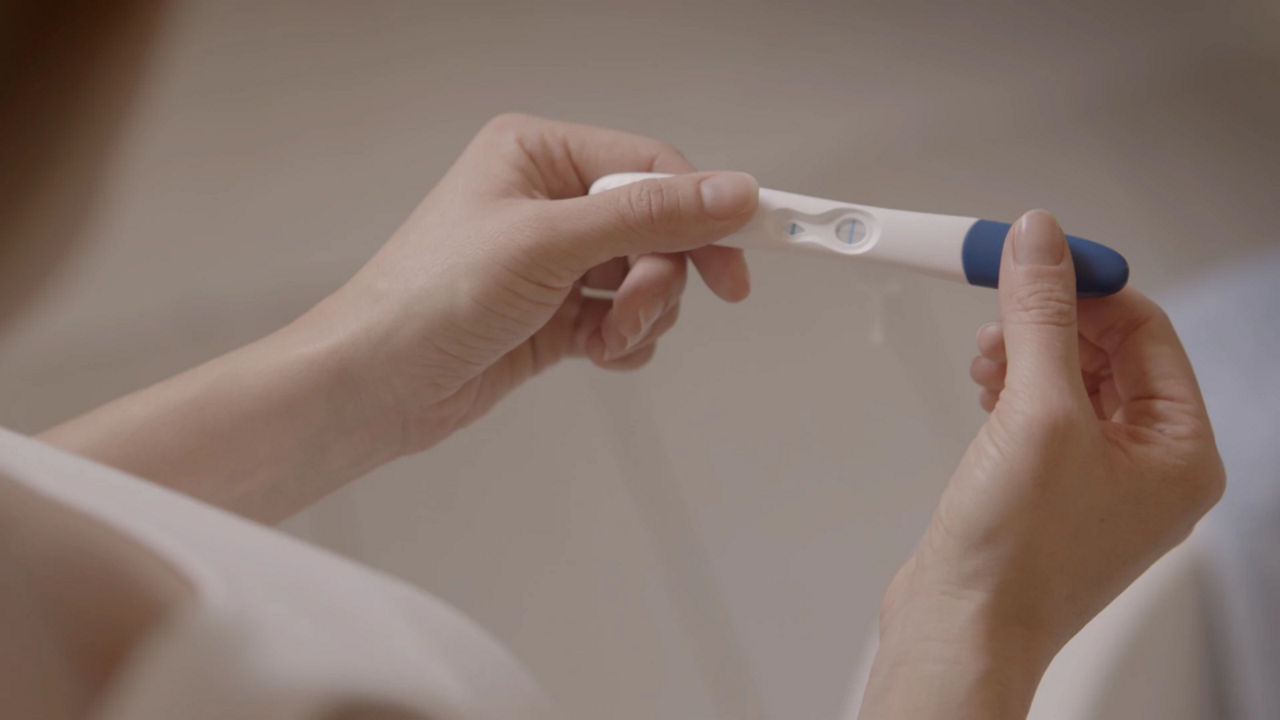
Most home pregnancy tests will provide a reliable result from the first day of your missed period. If your menstrual cycle is irregular, then the NHS advises that you take a pregnancy test 21 days after having unprotected sex21.
When it comes to which pregnancy test to use, there are plenty of choices available. As long as you use them correctly and follow the instructions, home pregnancy tests are accurate and reliable.
When should I call my doctor about a new pregnancy?
You can make an appointment to see your doctor or midwife as soon as you find out you’re pregnant21. That way, you can ensure that you’re getting the antenatal care you need for a healthy pregnancy as soon as possible.
The first appointment with your midwife is known as a ‘booking appointment’ and will usually happen before you reach week 10 of your pregnancy22. During the appointment, your midwife will ask you some questions to learn more about you and your circumstances. You’ll also have the opportunity to ask any questions that you might have, including any about your early pregnancy symptoms.
How much weight will I gain during early pregnancy?
It’s unlikely that you’ll gain much weight at all in early pregnancy. Most of the weight you’re likely to gain will come on after week 20, when your baby is bigger, and your body’s storing fat to make breast milk23. Over the course of your pregnancy, you could gain 10-12.5kg (22-28lb), but this varies greatly from person to person.
- Khan YS, Ackerman KM. Embryology, Week 1. [Updated 2023 Apr 17]. In: StatPearls [Internet]. Treasure Island (FL): StatPearls Publishing; 2025 Jan-. Available from: https://www.ncbi.nlm.nih.gov/books/NBK554562/
- NHS Best Start in Life. Week 4 [online] Available at https://www.nhs.uk/best-start-in-life/pregnancy/week-by-week-guide-to-pregnancy/1st-trimester/week-4/ [Accessed January 2026]
- NHS Inform (2025). How your baby develops week to week [online]. Available at https://www.nhsinform.scot/ready-steady-baby/pregnancy/your-baby-s-development/how-your-baby-develops-week-to-week/ [Accessed January 2026]
- NHS (2022). Signs and symptoms of pregnancy [online]. Available at https://www.nhs.uk/pregnancy/trying-for-a-baby/signs-and-symptoms-of-pregnancy/ [Accessed January 2026]
- NHS (2022). Signs and symptoms of pregnancy [online]. Available at https://www.nhs.uk/pregnancy/trying-for-a-baby/signs-and-symptoms-of-pregnancy/ [Accessed January 2026]
- NCT (2025). Common emotions when expecting a baby [online]. Available at https://www.nct.org.uk/information/pregnancy/wellbeing-and-lifestyle-pregnancy/common-emotions-when-expecting-baby [Accessed January 2026]
- NHS (2024). Vaginal discharge in pregnancy [online]. Available at https://www.nhs.uk/pregnancy/common-symptoms/vaginal-discharge/ [Accessed January 2026]
- NHS (2024). Headaches in pregnancy [online]. Available at https://www.nhs.uk/pregnancy/common-symptoms/headaches/ [Accessed January 2026]
- NHS (2024). Stomach pain in pregnancy [online]. Available at https://www.nhs.uk/pregnancy/common-symptoms/stomach-pain/ [Accessed January 2026]
- NHS (2024). Common health problems in pregnancy [online]. Available at https://www.nhs.uk/pregnancy/common-symptoms/common-health-problems/ [Accessed January 2026]
- NHS (2022). Non-allergic rhinitis [online]. Available at https://www.nhs.uk/conditions/non-allergic-rhinitis/ [Accessed January 2026]
- NHS Surrey and Sussex Healthcare. Pregnancy related conditions [online]. Available at https://www.surreyandsussex.nhs.uk/our-services/womens-services/maternity-services/your-pregnancy-journey/common-pregnancy-ailments [Accessed January 2026]
- NHS Best Start in Life. Week 13 [online] Available at https://www.nhs.uk/best-start-in-life/pregnancy/week-by-week-guide-to-pregnancy/2nd-trimester/week-13/ [Accessed January 2026]
- Herrick EJ, Bordoni B. Embryology, Placenta. [Updated 2023 May 1]. In: StatPearls [Internet]. Treasure Island (FL): StatPearls Publishing; 2025 Jan-. Available from: https://www.ncbi.nlm.nih.gov/books/NBK551634/
- Ahmadi SM, Perez ML, Guardia CM. Secretion of placental peptide hormones: functions and trafficking. Front Endocrinol (Lausanne). 2025 Jun 12;16:1584303. doi: 10.3389/fendo.2025.1584303. PMID: 40575259; PMCID: PMC12197938.
- NHS (2023). Have a healthy diet in pregnancy [online]. Available at https://www.nhs.uk/pregnancy/keeping-well/have-a-healthy-diet/ [Accessed January 2026]
- NHS (2023). Foods to avoid in pregnancy [online]. Available at https://www.nhs.uk/pregnancy/keeping-well/foods-to-avoid/ [Accessed January 2026]
- NHS (2023). Vitamins, supplements and nutrition in pregnancy [online]. Available at https://www.nhs.uk/pregnancy/keeping-well/vitamins-supplements-and-nutrition/ [Accessed January 2026]
- NHS (2020). Iron [online]. Available at https://www.nhs.uk/conditions/vitamins-and-minerals/iron/ [Accessed January 2026]
- NHS Inform (2025). First signs of pregnancy [online]. Available at https://www.nhsinform.scot/ready-steady-baby/pregnancy/your-baby-s-development/first-signs-of-pregnancy/ [Accessed January 2026]
- NHS (2022). Doing a pregnancy test [online]. Available at https://www.nhs.uk/pregnancy/trying-for-a-baby/doing-a-pregnancy-test/ [Accessed January 2026]
- NHS (2022). Your first midwife appointment [online]. Available at https://www.nhs.uk/pregnancy/your-pregnancy-care/your-first-midwife-appointment/ [Accessed January 2026]
- NHS (2022). Weight gain in pregnancy [online]. Available at https://www.nhs.uk/pregnancy/keeping-well/weight-gain/ [Accessed January 2026]
Last reviewed: January 2026
Reviewed by Nutricia’s Medical and Scientific Affairs Team

related articles