17 weeks pregnant in months is 4. It might be hard to believe, but you’re now well into your second trimester and approaching the halfway mark.
17 Weeks Pregnant: Pregnancy Symptoms & Baby Development
Explore pregnancy stages week by week
17 weeks pregnant is how many months?
Month 4 (Trimester 2)


Your Baby's Development at 17 Weeks
Around about now, your baby’s skeleton begins to develop from cartilage into bone, and will be more visible when you head for your 20-week scan in a few weeks' time1.
By week 17, your baby’s heart rate could be anywhere between around 110–160 bpm – much faster than an average resting adult range of 60–100 bpm2,3.
At 17 weeks pregnant, your baby may have discovered their own fingers and started to suck on them. This is called ‘non-nutritive’ sucking and can start as early as 11 weeks of pregnancy4. Non-nutritive sucking in the womb is a great way for your baby to practise the skills they’ll need for feeding once they’re born.
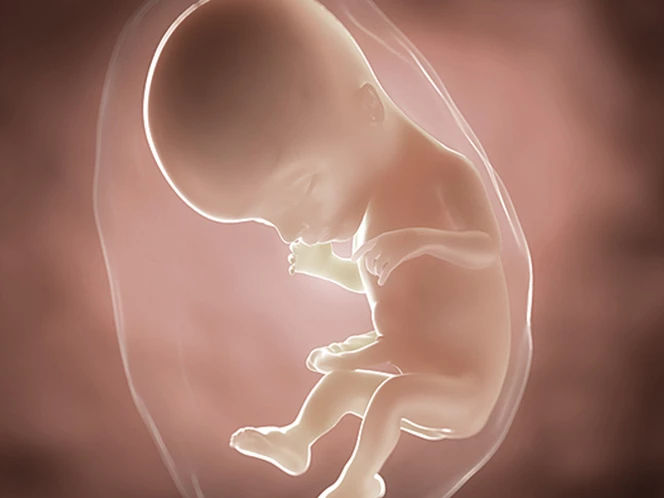
How big is your baby at 17 weeks, and what do they look like?
At 17 weeks pregnant, your baby now weighs around 150g. They’re growing fast and busy putting on the fat5, which will help them to regulate their temperature in the womb.
Your baby measures about 12cm from their head to their bottom (you might hear your midwife describe this as ‘crown to rump’), which is around the size of a pomegranate6. Their head is still a little larger in comparison to the rest of their body, but their body, arms and legs are growing quickly, and they’ll soon be more in proportion7.
If you could see your baby now, you’d notice a lot of new features, including tiny eyebrows and eyelashes. Their fingernails and toenails are developing, and they’re learning to grip with their hands5.
Forming fingerprints
By 17 weeks of pregnancy, the lines on the skin of your baby’s fingers have developed, meaning they already have their own unique fingerprints6.
Your baby's developing senses
Your baby can now move their eyes, but they won’t be open just yet. However, they’ve been sensitive to light from around week 15 of pregnancy8.
Their little ears can now hear noises, and your baby may react to loud sounds. In the womb, they’ll be able to hear your heartbeat, the sounds of your digestive system, and your voice - which they love to hear8. Why not try bonding with your baby by reading them a story, singing songs, or just talking to your 17-weeks-pregnant bump?9.
At 17 weeks pregnant, your baby’s taste buds are starting to form, ready to taste lots of delicious flavours10.
Feeling your baby move for the first time
Your baby can now move their eyes, but they won’t be open just yet. However, they’ve been sensitive to light from around week 15 of pregnancy8.
Their little ears can now hear noises, and your baby may react to loud sounds. In the womb, they’ll be able to hear your heartbeat, the sounds of your digestive system, and your voice - which they love to hear8. Why not try bonding with your baby by reading them a story, singing songs, or just talking to your 17-weeks-pregnant bump?9.
At 17 weeks pregnant, your baby’s taste buds are starting to form, ready to taste lots of delicious flavours10.
Feeling your baby move for the first time
If you haven’t already, you’re likely to start feeling your baby’s movements very soon. Most mums-to-be will feel their baby move for the first time between 18 and 24 weeks8.
Some women describe the sensation of their baby’s first movements as ‘bubbles’, ‘flutters’ or a gentle ‘rolling’. For Seb’s mum, “the movements were really subtle at first. I wasn’t sure whether or not it was my baby’s movements, but in time they became a little more regular, and there was no doubt that my baby was on the move!”

Join Aptaclub for a chance to win a £100 John Lewis voucher, plus expert feeding advice, expert parenting tools, helpful checklists and the latest deals straight to your inbox.
By registering you're confirming you agree with our T&Cs and Privacy Policy. You can opt out anytime.
What’s happening in my body at 17 weeks pregnant?
Your placenta is growing alongside your baby, delivering the vital oxygen and nutrients they need and removing waste6. By the end of your pregnancy, your placenta will weigh 500g. Just before your baby is born, it will transfer antibodies that will help support their immune system in their first three months of life11.
Your 17-week baby bump
Your womb is starting to move up and out of your pelvis as your baby gets bigger, highlighting your growing 17-weeks-pregnant bump6.
It can be quite exciting to experience these changes, but it’s also normal to feel a little anxious. Around 1 in 10 women feel stressed during their pregnancy, and increased hormone levels can contribute to this6. Remember that your doctor and midwife are there for you, and you can always talk to one of our 24/7 support team.
Pregnancy weight gain at 17 weeks
On average, pregnant women will gain anywhere between 10kg - 12.5kg throughout their pregnancy12.
Your midwife will keep an eye on your weight during your pregnancy, as gaining too little or too much can cause health problems for you and your baby12.
Your 20-week scan: what to expect
If you haven’t already, you’ll soon be getting an appointment for your 20-week scan. Also known as the anomaly scan, your sonographer will give your baby a thorough check, taking a look at their bones, spine, brain, heart, kidneys, tummy, and face13. This will help them to see how your baby is developing. If anything is picked up on, your sonographer will let you know there and then and advise you about any next steps13.
You may also be able to find out the sex of your baby at your 20-week scan, but not all hospitals offer this, so it’s best to check.

Symptoms at 17 weeks pregnant
As your uterus gets bigger, the ligaments that attach your womb to your pelvis can stretch, causing pain in your lower tummy14. Some pregnant women at 17 weeks have described this as a ‘sharp’ pain, similar to a cramp or a stitch.
Whilst round ligament pain isn’t harmful to you or your baby, it can be uncomfortable. Here are a few things that might help14.
- Avoid changing positions suddenly - take your time
- If you feel as though you’re about to cough or sneeze, support your bump with your hands, and try to lean forward
- Put a pillow between your knees when you lie down to rest
- Run yourself a warm bath
- The physiotherapist at the hospital where you receive care may also be able to help with round ligament pain. You can ask your midwife or GP to refer you.
Heartburn is a common second-trimester pregnancy symptom. Also known as acid reflux or indigestion, it’s thought to be caused by your growing baby putting pressure on your stomach, as well as the hormonal changes going on inside your body15.
It can be very uncomfortable, with symptoms including pain and a burning sensation in the chest, sickness and nausea, and burping and bloating15. However, there are a few things you can do to keep heartburn at bay15:
- Avoid eating immediately before you go to bed
- Eat small amounts more often rather than three larger meals a day
- Avoid rich, spicy foods
- Limit your caffeine intake or avoid it altogether
If you’re still struggling with symptoms, always speak with your midwife, who can provide advice about pregnancy-safe medications.
Your body holds more water while you’re pregnant. Standing upright for long periods can cause this water to gather and cause swelling in your ankles, hands and feet16.
Try to avoid standing for long stretches, and rest with your feet elevated above your heart as much as possible. Wear comfortable shoes that aren’t too tight to prevent further discomfort if you do find that your feet swell16.
Swelling that comes on gradually can be uncomfortable, but it isn’t harmful for you or your baby. If the swelling comes on suddenly and you feel very unwell (e.g. a severe headache, vision problems, nausea or stomach pain), call your Maternity Assessment Unit immediately, as these could be symptoms of pre-eclampsia15.
If you’re in employment, your employer is required to carry out a workplace risk assessment, to make sure that your role and working conditions are safe and suitable for your pregnancy. If your role involves standing for long periods of time, and this is causing any swelling or making it worse, your employer must take steps to alter your working conditions17.
Be prepared with our guide to maternity leave.
Some women experience headaches in early pregnancy. If this is you, rest assured that they usually improve as you move through your second trimester and don’t harm your baby18. Getting plenty of rest and drinking lots of fluids to prevent dehydration can help avoid headaches and ease any symptoms.
Paracetamol is usually safe to take during pregnancy. However, always talk to your doctor or midwife first.
A headache or pre-eclampsia?
If your headaches continue, or they get more severe, this could be a sign of pre-eclampsia, a condition that typically occurs at around 20 weeks pregnant or soon after you’ve given birth19.
Most cases of pre-eclampsia are mild, but the earlier it’s diagnosed, the lower the risk of complications for you and your baby. Call your midwife, GP or maternity unit as soon as possible if you have a severe headache accompanied by19:
- Blurred vision
- Seeing flashes of light
- A pain just below your ribs
- Vomiting
- Swelling in your face, hands, feet or ankles
Pregnancy anaemia, or iron deficiency anaemia, is caused by a lack of iron in the body20. Symptoms can include feeling tired or short of breath, heart palpitations, headaches and pale skin.
If you’re experiencing any of these symptoms, talk to your GP. They’ll be able to run some tests and talk to you about getting more iron-rich foods in your diet and possibly taking an iron supplement.
Want to know more about low iron in pregnancy and how to make sure you’re getting what you need?
At 17 weeks pregnant, the hormones racing around your body, and the increased blood supply to your skin can leave you feeling hot, hot, hot. This can also cause you to sweat more than usual21.
To keep cool, wear loose, breathable clothing (cotton is a good choice), use a fan in your room, and take regular cool showers. It’s also important to stay hydrated, so drink plenty of chilled water.
You might notice sudden, sharp pains in your calf muscles or feet during pregnancy. These cramps are normal but can be very uncomfortable21.
Try relieving the symptoms with gentle foot exercises, such as rotating your ankles clockwise and anti-clockwise, or vigorously stretching your feet up and down.
Cramps often strike at night, so be sure to take care if you need to get out of bed. Turn on the light and move slowly to avoid tripping and falling.
Increases in oestrogen and progesterone in your blood can lead to mood swings that cause you to feel tearful or easily irritated22.
As your body gets used to the higher hormone levels, the effects of this can wear off. However, some pregnant women continue to experience these feelings throughout their second trimester and beyond.
If you’ve been diagnosed with a mental health condition in the past (whilst pregnant or otherwise), pregnancy can increase your risk or experiencing this again23. It’s very important to let your healthcare professionals know about this, so they can monitor and support you as your pregnancy progresses.
It’s important to remember that you’re not alone. Speak to your loved ones, your midwife or your GP to get the support you need if you’re feeling low.
Explore further information and resources you may find helpful.
The pregnancy hormone progesterone helps to relax the muscles in your womb as your baby grows, but this can also make you feel bloated and gassy24.
Bloating and heartburn can go hand in hand, and you can avoid symptoms of both in similar ways. Try eating smaller meals more regularly throughout the day, eating more slowly, and avoiding rich, spicy, and fatty foods.
Your second trimester to-do list
As you continue through your pregnancy, here are a few things to think about to stay healthy and prepare for your new arrival.
Eating a healthy and balanced diet
Eating a healthy pregnancy diet has lots of benefits for you and your baby, and can also help you maintain a healthy weight while pregnant. Make sure you’re eating lots of fruits and vegetables, as well as starchy foods, protein and dairy (or non-dairy alternatives).
You may have heard the phrase ‘eating for two’, but that’s a myth. Even in the last three months of your pregnancy, you’ll only need an additional 200 calories25.
Focus on Vitamin D
It’s recommended that you get 10 micrograms of vitamin D each day during pregnancy26. Your body makes vitamin D when it’s exposed to sunlight - UVB rays in particular. Here in Britain, it can be harder to get the recommended amount during the autumn and winter months.
It can also be harder for your body to get enough vitamin D if you cover your skin a lot or have dark skin27.
That’s why, for many people, sun exposure alone is not always enough to support their baby during pregnancy.
How to boost your vitamin D intake
Vitamin D is present in certain foods, like27:
- Oily fish, including herrings, mackerel, sardines, salmon, trout (limit your intake to 2 portions a week).
- Eggs – the yolk contains the vitamin D.
- Fortified foods – some brands of milk and breakfast cereals have added vitamin D.
However, the best way to make sure you’re getting enough is to take it as a 10mcg supplement. Some prenatal multivitamins contain this already, or you can choose to take a separate vitamin D supplement27.

The science behind vitamin D, powered by Nutricia
Vitamin D is an important part of a healthy pregnancy diet. It regulates the amount of calcium and phosphate in the body to help keep bones, teeth and muscles healthy27.
As well as supporting your baby’s bone development during pregnancy, the vitamin D you consume now helps to build up your baby’s personal store, which they will rely on during their first few months of life28.
Exercise
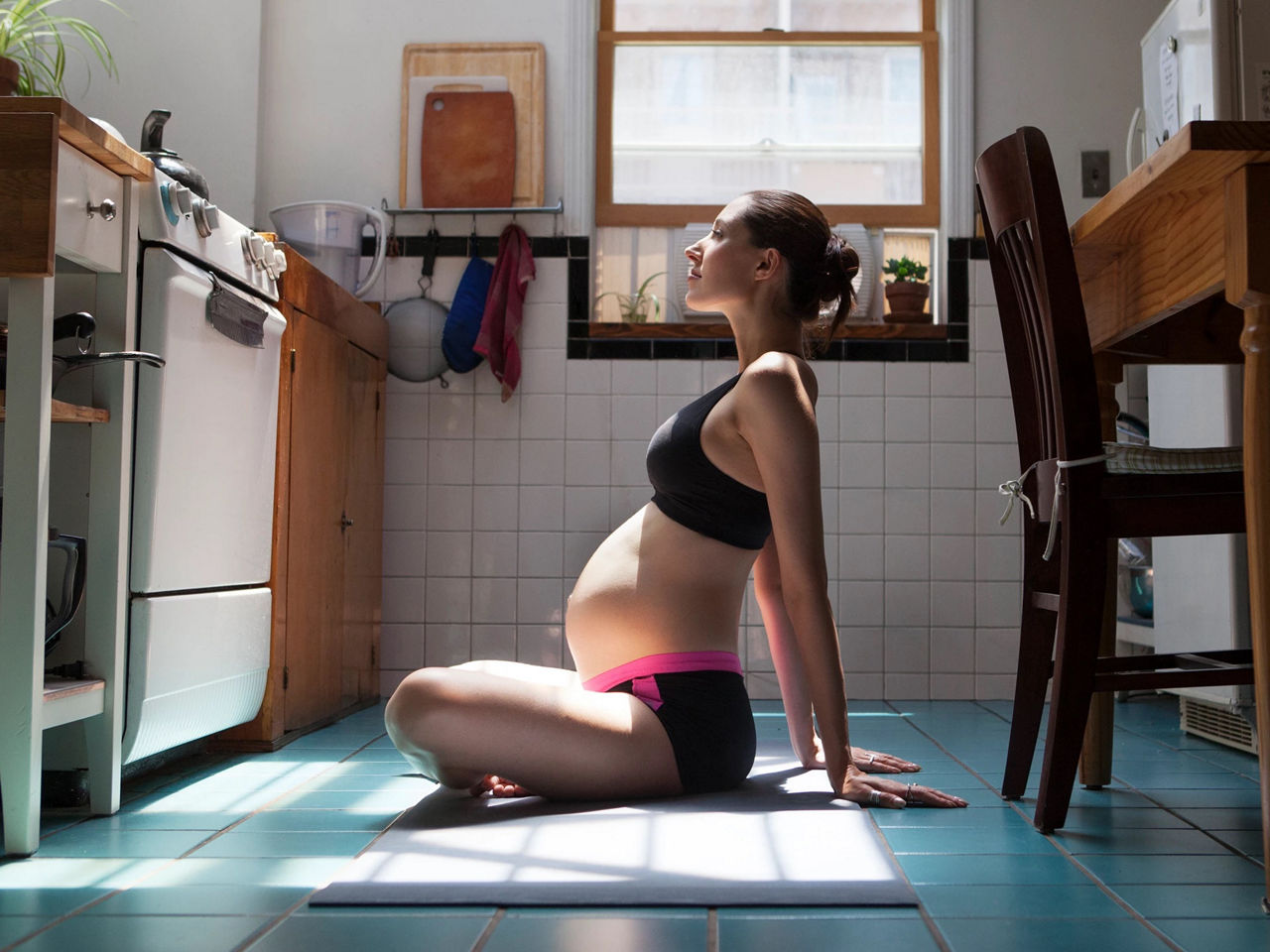
There are lots of benefits to exercise during pregnancy. Some pregnant women at 17 weeks find that doing some gentle exercise can help not only with their physical health, but also their emotional health, too: “pregnancy yoga and swimming were great for me during pregnancy”, says Seb’s mum. “Not only did I feel refreshed and a little more energised, but it gave me some time to myself. I found the water very calming, so I made swimming a part of my weekly routine.”
Learn more about exercising safely during your pregnancy.
Taking antenatal classes
Antenatal classes are usually for expectant parents at around 30 - 32 weeks pregnant, but your second trimester is a great time to start thinking about attending and booking your place.
Antenatal classes are designed to help you and your birthing partner prepare for labour and caring for your newborn baby. They usually cover topics such as29:
- What to expect during labour
- Things to include in your birth plan
- Looking after your health during pregnancy and once your baby arrives
- Caring for your newborn, including sleep schedules and breastfeeding
Antenatal classes aren’t compulsory, but a lot of parents-to-be find them helpful and reassuring, especially when they’re expecting their first baby. They’re also a great way to meet other people on their pregnancy journey.
Questions to ask your midwife
Your midwife is there to help you at every step of your pregnancy. If you’ve got questions, it’s a good idea to write them down, so that you can make sure you get the information you need.
Here are a few examples to get you started:
- Am I at a healthy weight for my pregnancy?
- What is genetic screening, and do I need to have it?
- What are my options for giving birth and pain relief?
- Can I take any medication to manage heartburn or headaches?
- Will I be able to find out the sex of my baby?
- Babycenter. Your baby at 17 weeks [online 2025]. Available at https://www.babycentre.co.uk/s1001614/your-pregnancy-at-17-weeks. [Accessed October 2025]
- NHS Manchester University NHS Foundation Trust. Irregular fetal heart rhythm or ectopic (extra) beats [online 2017]. Available at https://mft.nhs.uk/app/uploads/sites/4/2018/04/Irregular-Fetal-Heart-Rhythm-October-2017.pdf. [Accessed October 2025]
- NICE. Fetal monitoring in labour [online 2022]. Available at https://www.nice.org.uk/guidance/ng229/chapter/Recommendations. [Accessed March 2026]
- NHS Wrightington, Wigan and Leigh Teaching Hospitals. Non-nutritive sucking [online 2020]. Available at https://www.wwl.nhs.uk/media/.leaflets/5fdb12fb3c8154.95884168.pdf [Accessed October 2025]
- NHS 111 Wales. Your baby at 17 weeks [online 2023]. Available at https://111.wales.nhs.uk/doityourself/pregnancy/17to20weeks/. [Accessed October 2025]
- NHS Best Start in Life. Week 17 [online]. Available at https://www.nhs.uk/best-start-in-life/pregnancy/week-by-week-guide-to-pregnancy/2nd-trimester/week-17/. [Accessed October 2025]
- Tommy's. Week 17 [online] Available at https://www.tommys.org/pregnancy-information/im-pregnant/pregnancy-week-by-week/17-weeks-pregnant [Accessed October 2025]
- NHS Best Start in Life. Week 15 [online]. Available at https://www.nhs.uk/best-start-in-life/pregnancy/week-by-week-guide-to-pregnancy/2nd-trimester/week-15/. [Accessed October 2025]
- NHS inform. Attachment and bonding during pregnancy [online 2025]. Available at https://www.nhsinform.scot/ready-steady-baby/pregnancy/relationships-and-wellbeing-in-pregnancy/attachment-and-bonding-during-pregnancy/#:~:text=Bonding%20before%20birth,This%20helps%20your%20baby: [Accessed October 2025]
- NHS inform. How your baby develops week to week [online 2025]. Available at https://www.nhsinform.scot/ready-steady-baby/pregnancy/your-baby-s-development/how-your-baby-develops-week-to-week/#week-17-to-24. [Accessed October 2025]
- Chucri, T. M. et al (2010). A review of immune transfer by the placenta. Journal of Reproductive Immunology, 87(1-2), 14-20. https://doi.org/10.1016/j.jri.2010.08.062
- NHS. Weight gain in pregnancy [online 2022]. Available at https://www.nhs.uk/pregnancy/related-conditions/common-symptoms/weight-gain/ [Accessed October 2025]
- NHS. 20-week screening scan [online 2024]. Available at https://www.nhs.uk/pregnancy/your-pregnancy-care/20-week-scan/ [Accessed October 2025]
- NHS Royal Berkshire NHS Foundation Trust. Round ligament pain in pregnancy [online 2023]. Available at https://www.royalberkshire.nhs.uk/media/1l5dy01i/physio-round-ligament-pain-in-pregnancy.pdf. [Accessed October 2025]
- NHS. Indigestion and heartburn in pregnancy [online 2023]. Available at https://www.nhs.uk/pregnancy/related-conditions/common-symptoms/indigestion-and-heartburn/ [Accessed October 2025]
- NHS. Swollen ankles, feet and fingers in pregnancy [online 2024]. Available at https://www.nhs.uk/pregnancy/related-conditions/common-symptoms/swollen-ankles-feet-and-fingers/ [Accessed October 2025]
- Maternity Action. Health and safety during pregnancy and on return to work [online 2026]. Available at https://maternityaction.org.uk/advice/health-and-safety-during-pregnancy-and-on-return-to-work/#:~:text=If%20the%20risk%20assessment%20reveals,known%20as%20a%20maternity%20suspension. [Accessed March 2026]
- NHS. Headaches in pregnancy [online 2024]. Available at https://www.nhs.uk/pregnancy/related-conditions/common-symptoms/headaches/ [Accessed October 2025]
- NHS. Pre-eclampsia [online 2021]. Available at https://www.nhs.uk/conditions/pre-eclampsia/. [Accessed October 2025]
- NHS (2024). Iron deficiency anaemia [online 2024]. Available at https://www.nhs.uk/conditions/iron-deficiency-anaemia/ [Accessed October 2025]
- NHS. Common health problems in pregnancy [online 2024]. Available at https://www.nhs.uk/pregnancy/related-conditions/common-symptoms/common-health-problems/#:~:text=You're%20likely%20to%20feel,also%20likely%20to%20sweat%20more. [Accessed October 2025]
- NCT. Emotions during pregnancy [online 2025]. Available at https://www.nct.org.uk/pregnancy/how-you-might-be-feeling/emotions-during-pregnancy [Accessed October 2025]
- Mind. What causes perinatal mental health problems? [online 2024]. Available at https://www.mind.org.uk/information-support/types-of-mental-health-problems/postnatal-depression-and-perinatal-mental-health/causes/#PreviousExperienceOfMentalHealthProblems. [Accessed March 2026]
- NHS Best Start in Life. Week 10 [online]. https://www.nhs.uk/best-start-in-life/pregnancy/week-by-week-guide-to-pregnancy/1st-trimester/week-10/#bloating. [Accessed October 2025]
- NHS Best Start in Life. Healthy eating in pregnancy [online]. Available at https://www.nhs.uk/best-start-in-life/pregnancy/healthy-eating-in-pregnancy/#should-i-eat-for-two-during-pregnancy. [Accessed October 2025]
- NHS Best Start in Life. Vitamins and supplements in pregnancy [online]. Available at https://www.nhs.uk/best-start-in-life/pregnancy/vitamins-and-supplements-in-pregnancy/#vit-d. [Accessed October 2025]
- NHS. Vitamins, supplements and nutrition in pregnancy [online 2023]. Available at https://www.nhs.uk/pregnancy/keeping-well/vitamins-supplements-and-nutrition/ [Accessed October 2025]
- Brogan, A. et al (2022). Placental uptake and metabolism of 25(OH)vitamin D determine its activity within the fetoplacental unit eLife 11:e71094. https://doi.org/10.7554/eLife.71094
- NHS. Antenatal classes [online 2024] Available at https://www.nhs.uk/pregnancy/labour-and-birth/preparing-for-the-birth/antenatal-classes/ [Accessed October 2025]
Last reviewed: May 2026
Reviewed by Nutricia’s Medical and Scientific Affairs Team

related articles