At 16 weeks, you’re around 4 months pregnant, and into your second trimester. At this point, your baby is growing fast, and you may notice some new 16 weeks pregnant symptoms as your body changes.
16 weeks pregnant: pregnancy symptoms & baby development
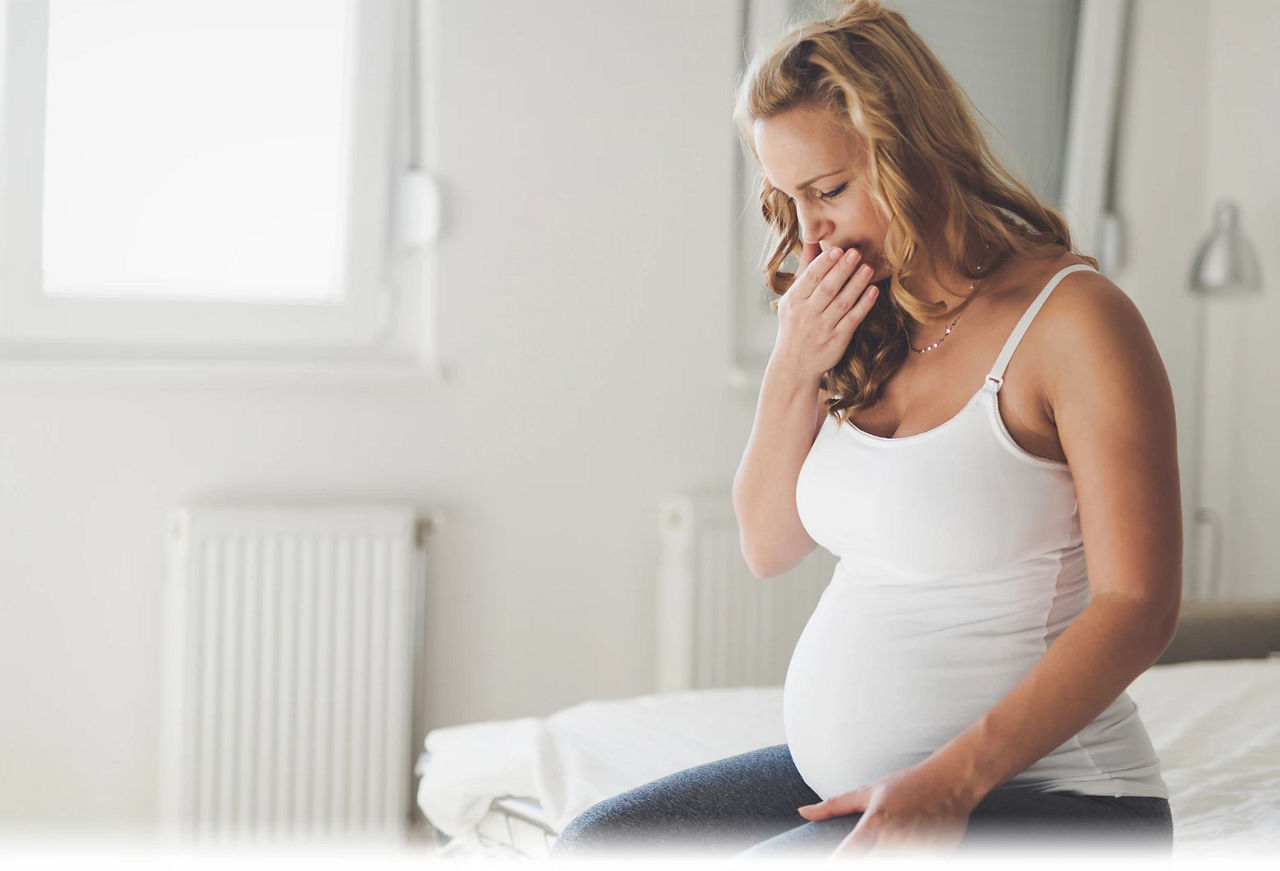
Explore pregnancy stages week by week
16 weeks pregnant is how many months?
Month 6 (Trimester 2)


At 16 weeks pregnant, you’re well on your way into your second trimester. This is a really exciting time for you and your baby as they start to become more aware of the world around them through their developing senses. They’re also making a bigger range of movements, which you’ll soon be able to feel.
Read on to learn everything you need to know about week 16 of your pregnancy, from your baby’s development to your 16 weeks pregnancy symptoms, as well as what to expect as you ahead to the rest of your pregnancy.
Your baby’s development at 16 weeks
How big is my baby? And what does my baby look like?
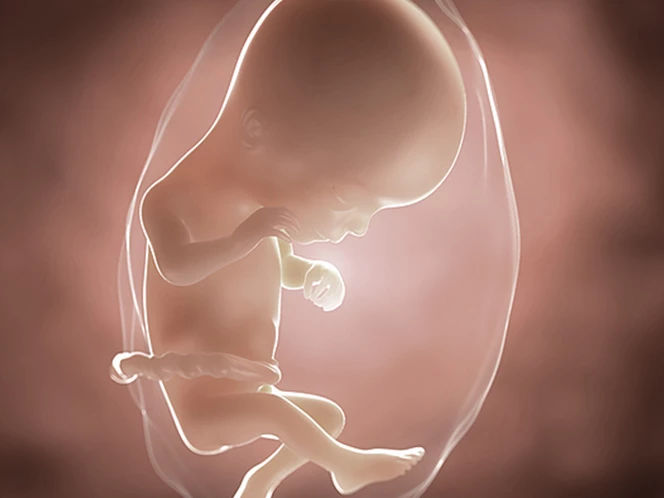
At 16 weeks, your baby’s size is now about that of an avocado, measuring around 11.6cm in length3.
Your baby may start flexing their arms and fingers. Their hands may even be able to meet, form a fist, and hold each other4.
As your baby’s nervous system continues to develop, their range of movements will increase, too. You might even be able to feel your baby’s first movements now, particularly if you’ve been pregnant before. If this is your first pregnancy, it’s normal not to feel anything until after week 20 of your pregnancy1.
Your 16-week foetus is also starting to move the muscles in their face, although they don’t have any control over the faces they’re pulling just yet3.
If you haven’t already, it’s a good idea to start talking to your baby at 16 weeks. From around now, they’ll be able to hear your voice from inside the womb, giving you a chance to start bonding with your baby even before they’re born5.

Join Aptaclub for a chance to win a £100 John Lewis voucher, plus expert feeding advice, expert parenting tools, helpful checklists and the latest deals straight to your inbox.
By registering you're confirming you agree with our T&Cs and Privacy Policy. You can opt out anytime.
Body changes at 16 weeks pregnant (second trimester): what’s happening in my body?
By the time you’re 4 months pregnant, you might already have a visible baby bump2. That said, every woman (and baby bump) is different. Some women may not be showing much at all, while others may look visibly pregnant by now, so try not to compare your bump to anyone else’s.
Hormonal changes during pregnancy can increase the blood supply to your skin, which can make you feel warmer than usual6. Some people believe that this is also what causes that famous pregnancy ‘glow’.
16 weeks pregnant: signs and symptoms
By now, most mums-to-be are free of the unpleasant pregnancy symptoms of their first trimester. However, at 16 weeks pregnant, symptoms like sensitive breasts and bleeding gums may still make an appearance. Here are a few things you might be experiencing.
Breast sensitivity might have been one of those early pregnancy symptoms, but breast changes often continue through pregnancy as your body prepares to breastfeed your baby. In addition, your breasts might be tender, your nipples darker, and the veins more prominent7. Keep an eye on how your breasts feel and seek medical advice if something feels wrong.
Hormonal changes can cause constipation throughout pregnancy6. To ease any discomfort, you can:
- Eat plenty of high-fibre foods such as wholemeal breads, fruits and vegetables, and pulses.
- Drink plenty of water.
- Keep up with regular exercise.
- Avoid taking iron supplements unless prescribed by your doctor.
The ligaments in your abdomen are stretching to make room for your growing baby at 16 weeks8. This can cause a sharp, jabbing pain called ‘round ligament pain’. You can try to prevent or reduce round ligament pain by:
- Keeping your back straight when standing or sitting.
- Squeezing your abdominal muscles when changing position.
- Bending your knees before laughing, coughing or sneezing.
If you have severe stomach pain accompanied by vaginal bleeding or symptoms such as fever or chills, contact your healthcare professional8.
It’s perfectly normal to notice an increase in vaginal discharge during pregnancy, as your body produces more to help prevent infections9. Discharge during pregnancy is usually either milky white or clear and thin in texture.
Speak to your midwife if you notice any of the following, as it may be a sign of an infection9.
- Unpleasant-smelling discharge.
- Discharge that’s yellow or green in colour.
- Itching or soreness around your vagina.
- Pain when you pee.
In your second trimester, changes in your body and hormones can leave your gums more prone to plaque, which can lead to swollen or bleeding gums10. To help keep your teeth healthy:
- Brush twice a day using a soft toothbrush.
- Avoid sugary foods and drinks.
- Use an alcohol-free mouthwash.
- If you have morning sickness, rinse your mouth with water after being sick to wash away any harmful acid.
You’re entitled to free dental care while pregnant and the first year after your baby is born. Speak to your midwife to ensure you’ve been issued your maternity exemption certificate. For more information visit the NHS website.
The extra hormones in your body can also increase blood flow to your mucus membranes, making you feel more congested. Don’t be surprised if you experience the occasional nosebleed due to this, too11. Saline sprays can help clear your symptoms, and are often safe to use while pregnant – but always check with your GP or pharmacist first.
The increased blood flow, which causes many other 16-weeks-pregnant symptoms, can also lead to more visible veins, particularly in the legs. Known as varicose veins, they’re usually completely harmless, but can lead to swelling, aching, or itching12.
If varicose veins are causing any discomfort, you can try12:
- Resting with your legs raised.
- Exercising regularly.
- Using a gentle moisturiser.
- Informing your GP or midwife.
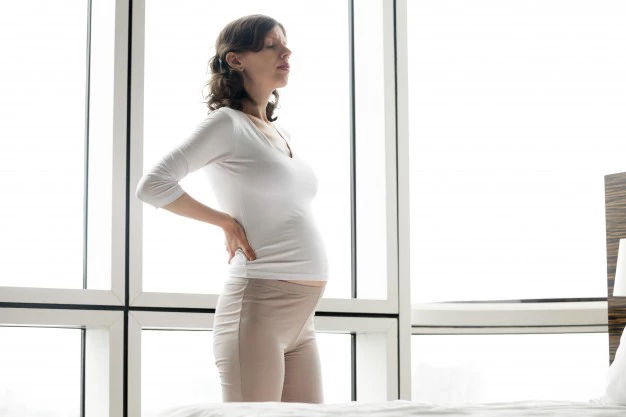
As your body adapts to your growing baby at 16 weeks pregnant, your posture may change, leading to backache13. You can manage back pain in pregnancy by:
- Standing or sitting up straight where possible.
- Tucking your hands under your bump to minimise the strain on your lower back.
- Wearing comfortable, supportive shoes.
- Getting plenty of rest.
- Adding pelvic floor exercises into your daily routine.
Focus on: vitamin D
During pregnancy, you need 10 micrograms of vitamin D per day14. From late March to the end of September, you should be able to get all the vitamin D you need from sunlight. However, you’ll likely need to take a supplement in the autumn and winter months to make up for the shorter and darker days15.
A few foods provide vitamin D, but these are limited; oily fish, egg yolks and fortified foods are among the few dietary sources. In the UK, many people find it difficult to get significant amounts from food alone14.
If you have dark skin, your increased pigment affects your skin’s ability to generate vitamin D, making a daily supplement even more important. Women of South Asian, African, Caribbean and Middle Eastern descent who live in the UK are particularly at risk15.
The science behind vitamin D, powered by Nutricia
Vitamin D is essential to help bone development by regulating calcium and phosphate in the body14. A lack of vitamin D can lead to conditions like rickets in children and osteomalacia (bone pain) in adults15.
The good news is that, from early spring to the end of September, you should be able to get plenty of vitamin D from sunlight15. Just be careful to avoid overexposure – always wear sunscreen and avoid sitting in the sun for long periods6.
Your 16 weeks pregnant checklist
At around 4 months pregnant, you may want to think about:
- Scheduling regular trips to the dentist to help prevent gum disease10.
- Talking and singing to your baby to help them learn the sound of your voice5.
- Staying active – even a brisk daily walk can have a big impact on your physical and mental wellbeing during pregnancy16.
- Using pelvic floor exercises to help prepare your body for later pregnancy and labour16.
Your 20-week scan is also coming up soon, usually taking place between week 18 and week 21 of pregnancy17. If you haven’t already spoken to your midwife about how to book your 20-week scan, now’s the time to do so.
Checklist for partners
If you’re looking for ways to support your partner at 16 weeks pregnant, here are some ideas:
- Pick up extra jobs around the house to give them more time to rest, especially if they’re experiencing symptoms such as back pain.
- Try cooking new recipes for a healthy pregnancy diet. You’ll find plenty of information and our full recipe cookbook here.
- Go with them to antenatal appointments and ultrasound scans if you can.
- Talk and sing to your partner’s bump to start bonding with the baby.
FAQs at 16 weeks pregnant
Can I find out my baby’s gender at 16 weeks?
No, it’s unlikely that you’ll be able to find out the gender of your baby at 16 weeks pregnant. However, it will soon be time for your 20-week scan, which can be a chance to find out whether you’re having a boy or a girl if you’d like to know (providing your baby’s in the right position)17.
How much weight will I gain during pregnancy?
Most women gain 10-12.5 kg (22-28lb) during pregnancy, although this can vary widely from person to person. At 16 weeks pregnant, you may not have noticed a great deal of weight gain yet, as the majority usually happens after week 20.
Can I feel my baby at 16 weeks?
Yes, you may be able to feel your baby’s movements at 16 weeks, especially if you’ve been pregnant before1. If this is your first pregnancy, you might not notice their movements until a little later – between 20 and 24 weeks pregnant.
- NHS (2024). Your baby's movements [online] Available at https://www.nhs.uk/pregnancy/keeping-well/your-babys-movements/ [Accessed January 2026]
- NHS Best Start in Life. Week 4 [online] Available at https://www.nhs.uk/best-start-in-life/pregnancy/week-by-week-guide-to-pregnancy/1st-trimester/week-4/ [Accessed January 2026]
- NHS Best Start in Life. Week 16 [online] Available at https://www.nhs.uk/best-start-in-life/pregnancy/week-by-week-guide-to-pregnancy/2nd-trimester/week-16/ [Accessed January 2026]
- HSE (2025). 13 to 16 weeks pregnant [online] Available at https://www2.hse.ie/pregnancy-birth/baby-development-pregnancy-stages/stages/13-16-weeks/ [Accessed January 2026]
- NHS Just One Norfolk. Communicating during pregnancy [online] Available at https://www.justonenorfolk.nhs.uk/child-development-additional-needs/talk-and-play/communication-during-pregnancy/ [Accessed January 2026]
- NHS (2024). Common health problems in pregnancy [online] Available at https://www.nhs.uk/pregnancy/common-symptoms/common-health-problems/ [Accessed January 2026]
- NHS St Helens and Knowsley Teaching Hospitals. Possible breast changes during and after pregnancy [online] Available at https://sthk.merseywestlancs.nhs.uk/media/.leaflets/611a81f02798b8.27597630.pdf [Accessed January 2026]
- HSE (2023). Round ligament pain in pregnancy [online] Available at https://www2.hse.ie/conditions/round-ligament-pain-pregnancy/ [Accessed January 2026]
- NHS (2024). Vaginal discharge in pregnancy [online] Available at https://www.nhs.uk/pregnancy/common-symptoms/vaginal-discharge/ [Accessed January 2026]
- NHS (2022). Bleeding gums in pregnancy [online] Available at https://www.nhs.uk/pregnancy/common-symptoms/bleeding-gums/ [Accessed January 2026]
- HSE (2023). Nosebleed [online] Available at https://www2.hse.ie/conditions/nosebleed/ [Accessed January 2026]
- NHS (2024). Varicose veins [online] Available at https://www.nhs.uk/conditions/varicose-veins/ [Accessed January 2026]
- HSE (2024). Back pain in pregnancy [online] Available at https://www2.hse.ie/conditions/back-pain/back-pain-in-pregnancy/ [Accessed January 2026]
- NHS (2023). Vitamins, supplements and nutrition in pregnancy [online] Available at https://www.nhs.uk/pregnancy/keeping-well/vitamins-supplements-and-nutrition/ [Accessed January 2026]
- NHS (2020). Vitamin D [online] Available at https://www.nhs.uk/conditions/vitamins-and-minerals/vitamin-d/ [Accessed January 2026]
- NHS (2023). Exercise in pregnancy [online] Available at https://www.nhs.uk/pregnancy/keeping-well/exercise/ [Accessed January 2026]
- NHS (2024). 20-week screening scan [online] Available at https://www.nhs.uk/pregnancy/your-pregnancy-care/20-week-scan/ [Accessed January 2026]
Last reviewed: June 2026
Reviewed by Nutricia’s Medical and Scientific Affairs Team

related articles