11 weeks pregnant: pregnancy symptoms and your baby’s development

Explore pregnancy stages week by week

quick explanation

Explore our guide to being 11 weeks pregnant. Get tips from Aptaclub on supporting your baby's rapid growth through a healthy intake of calcium.

stage

11

Weeks

reading time

6

minutes

11 weeks pregnant is how many months?

Month 3 (Trimester 1)

pregnancy-icon1

Baby development at 11 weeks

Many major organs are now in place

baby-icon1

Morning sickness

Symptoms like morning sickness should start to ease.

bladder-icon1

Calcium

Learn all about the importance of calcium in your diet.

Now that you’re 11 weeks pregnant, you’re coming to the end of your first trimester. Many exciting things are ahead as you get closer to your due date.

Below you’ll find lots of advice and guidance about what’s happening for you and your baby at 9 weeks pregnant. We explore some common pregnancy symptoms, such as morning sickness and mood swings, what to expect from your first ultrasound scan, and how to look after yourself during your pregnancy.

Your baby’s development at 11 weeks pregnant

Now that you’re 11 weeks pregnant, you’re coming to the end of your first trimester. Many exciting things are ahead as you get closer to your due date.

Below you’ll find lots of advice and guidance about what’s happening for you and your baby at 9 weeks pregnant. We explore some common pregnancy symptoms, such as morning sickness and mood swings, what to expect from your first ultrasound scan, and how to look after yourself during your pregnancy.

foetus-pregnancy-week-7

How big is my baby at 11 weeks pregnant, and what do they look like?

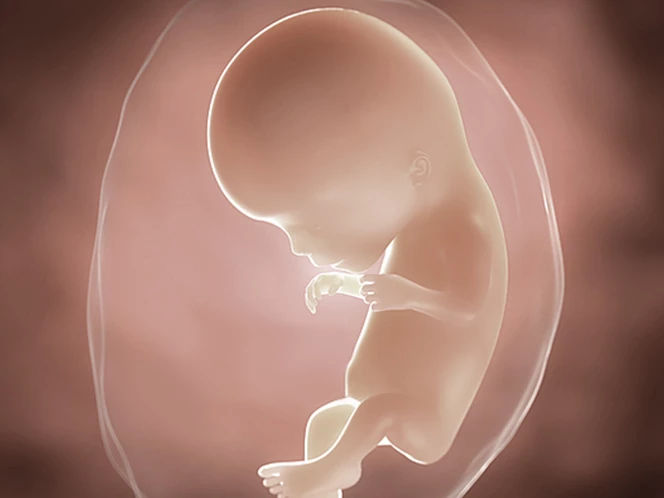
At 11 weeks pregnant, your baby is around the size of a fig, measuring approximately 4.1 cm from their head to their bottom. If you could see them now, you’d notice that your baby’s head is bigger than the rest of their body; however, their body is rapidly catching up3

The bones in your baby’s face are now formed, there are recognisable ears on the side of your baby’s head, and the eyelids that are formed will remain closed for the next few months4. By now, your baby’s toes and fingers start to separate, and even tiny fingernails are in place4

When does the placenta take over?

By week 11 of your pregnancy, the placenta is almost fully developed. By week 12, it will take over much of the hard work your body has been doing for the past few weeks, including producing those pregnancy hormones responsible for making you feel emotional and tired.

Up to now, your baby has been getting all the nutrients they need from the yolk sac, but from now on, that will be the placenta’s job, along with removing waste4.

Your baby’s first movements

Your baby at 11 weeks pregnant is now moving around and kicking as they grow inside your womb, but you won’t be able to feel this just yet4.

You’ll likely start to feel your baby’s movements between week 16 and week 24 of your pregnancy, although it’s not uncommon for this to happen closer to 20 weeks. If you haven’t felt your baby move by week 24, contact your midwife at the Maternity Assessment Unit. 

Your body at 11 weeks pregnant: what changes are happening?

If you’ve been experiencing any early pregnancy symptoms, you may find that some of them start to ease off as you head into your second trimester. This is because your hormones are beginning to settle down, helping you feel much better and have more energy4.

Your blood volume has increased by approximately 50%, and your body is working hard to pump it throughout your body as it supplies your uterus4.

Your first ultrasound: the dating scan

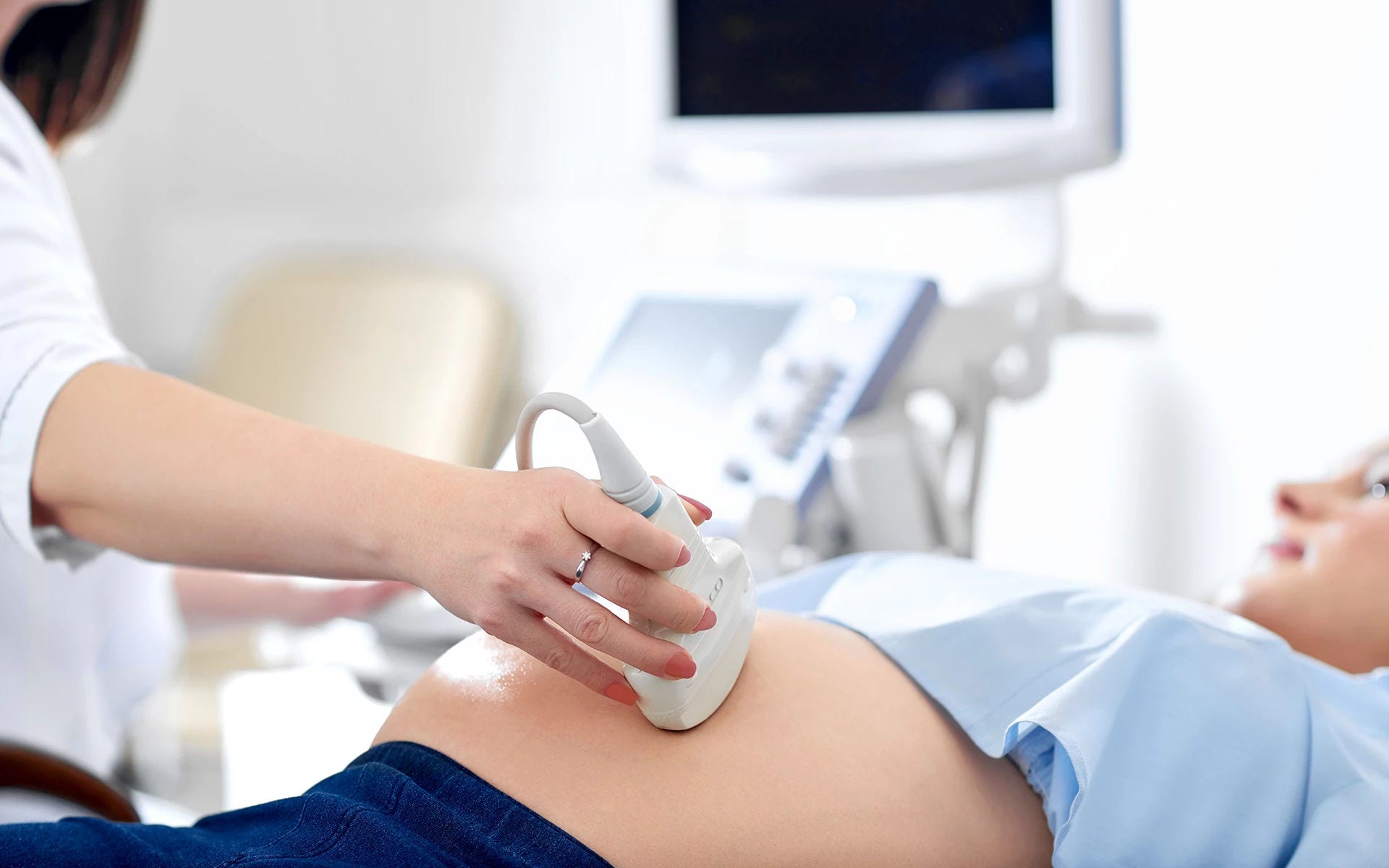
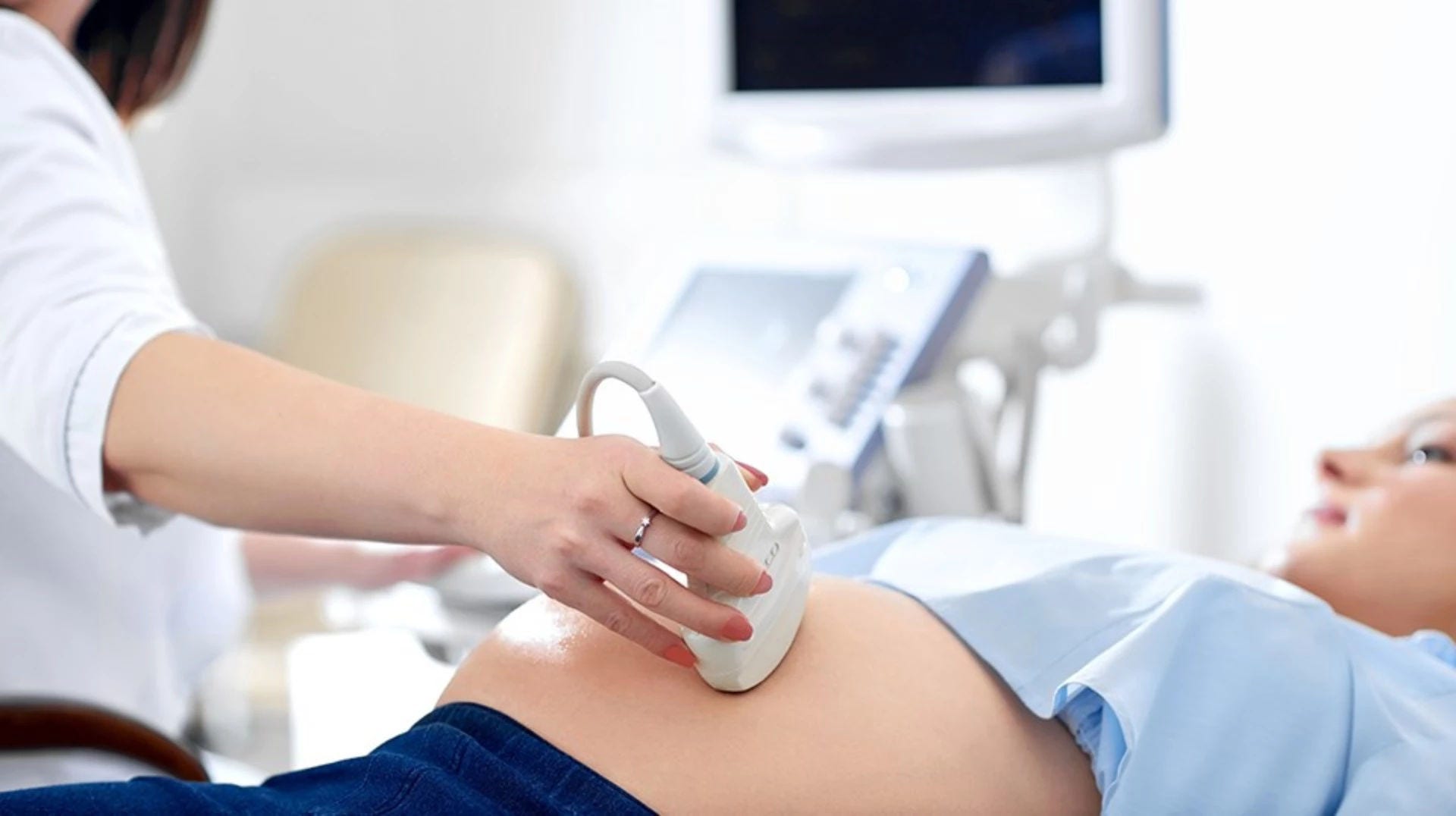
One of the most exciting things about coming to the end of your first trimester is having your first ultrasound scan, during which you’ll see your baby for the very first time. Ultrasound scans don’t hurt, and they don’t cause any harm to your unborn baby.

The NHS offers two ultrasound scans during your pregnancy. The first is known as the dating scan or the 12-week scan, and it takes place between 11 and 14 weeks. At your dating scan, the sonographer will be able to provide a reasonable estimate of your due date based on your baby's measurements5.

If you’ve chosen to have a combined screening test for Down’s syndrome, Edwards’ syndrome, and Patau’s syndrome, your dating scan will include a nuchal translucency scan and a blood test. During the nuchal translucency scan, the sonographer will measure the fluid at the back of your baby’s neck. This nuchal translucency, along with your age and the blood test, will determine the chances of your baby having one of the above conditions5.

If you have any questions about the available screening tests and how they work, don't hesitate to discuss them with your midwife or doctor.

Want to know more about what happens at your 12-week scan?

Managing weight gain during my pregnancy

On average, women gain between 10kg and 12.5kg (22–28lb) during pregnancy, although this varies from person to person. Most of this weight gain happens after week 20 of your pregnancy and is due to your growing baby and your body's natural process of storing fat to support breastfeeding6.

Remember that every woman and every pregnancy is different, so try not to compare yourself to anybody else. Keep in mind that you don’t need to ‘eat for 2’; what matters is that you’re eating a healthy pregnancy diet that provides all the nutrients that you and your baby need. If you feel up to it, doing some gentle exercise can help you maintain a healthy weight as your baby grows and prepare your body for labour and birth7.

11 weeks pregnant: signs and symptoms

There are numerous symptoms you might experience at 11 weeks pregnant, and below, we discuss just a few of them.

Sore and tingling breasts are very common during pregnancy. In addition, your nipples may become darker and stand out more prominently. You may also find that the veins in your breasts are more visible, too, especially as your breasts get bigger8.

Tiredness, fatigue, and even exhaustion are common at 11 weeks pregnant. These symptoms are often caused by the placenta taking over responsibility for hormone production, feeding your baby, and removing waste, as the hormones involved in the switchover can leave you feeling more tired than usual3.

Approximately 8 out of 10 women experience nausea and vomiting during pregnancy9. Also known as ‘morning sickness’, these symptoms can happen at any time of the day or night, and whilst it won’t harm your growing baby9, it can interfere with your daily life - in some cases, quite significantly. If you are you're experiencing severe nausea and are unable to do your normal routine activities, then see a GP or a 24-hour service for treatment.

Most women find that morning sickness usually starts between weeks 4 and 7 of pregnancy and then starts to ease off between weeks 16 and 2010.

During pregnancy, the hormone progesterone causes the muscles in your uterus to relax and stretch as your baby grows. At the same time, this can cause the muscles in your digestive system to relax, too, leaving you feeling bloated and gassy11.

There are some things you can try to ease your symptoms, including avoiding fatty and spicy foods, eating little and often, and not eating late at night.

Some women experience light spotting or bleeding during early pregnancy. This usually occurs when your period would have been due and is the result of implantation bleeding, as the fertilised embryo settles into the lining of your womb12.

As your pregnancy progresses towards your due date, other possible causes of bleeding include12:

  • Cervical changes caused by pregnancy. 
  • Vaginal infections. 
  • Conditions affecting the placenta, such as a low-lying placenta (placenta pravia). 

It’s very important to seek advice from your doctor or midwife at the Maternity Assessment Unit if you experience any bleeding at all during your pregnancy. That way, you can be sure that everything is as it should be.

Stomach cramps can also happen at 11 weeks pregnant, as the ligaments in your body stretch to make room for your baby as they grow. They can also be the result of constipation or trapped wind, so try going to the toilet or taking a gentle stroll to get things moving13.

Contact your doctor or midwife if the cramps become severe and don’t go away, or if they’re accompanied by bleeding, lower back pain or unusual vaginal discharge13.

Pregnancy can be an emotional rollercoaster. If you’re feeling fine one minute and not so fine the next, those pregnancy hormones are likely at play. At 11 weeks pregnant, the levels of oestrogen and progesterone in your body are increasing, which can affect your mood14.

Looking after yourself

During pregnancy, it’s essential to look after yourself not only physically, but also emotionally. Let’s take a look at a few ways to do just that.  

The importance of calcium in a healthy pregnancy diet

Calcium is essential for making your growing baby’s teeth and bones15. Your calcium requirements don’t change during pregnancy, and the Reference Nutrient Intake (RNI) is 700 micrograms per day for those over the age of 1916.

Sources of calcium include15:

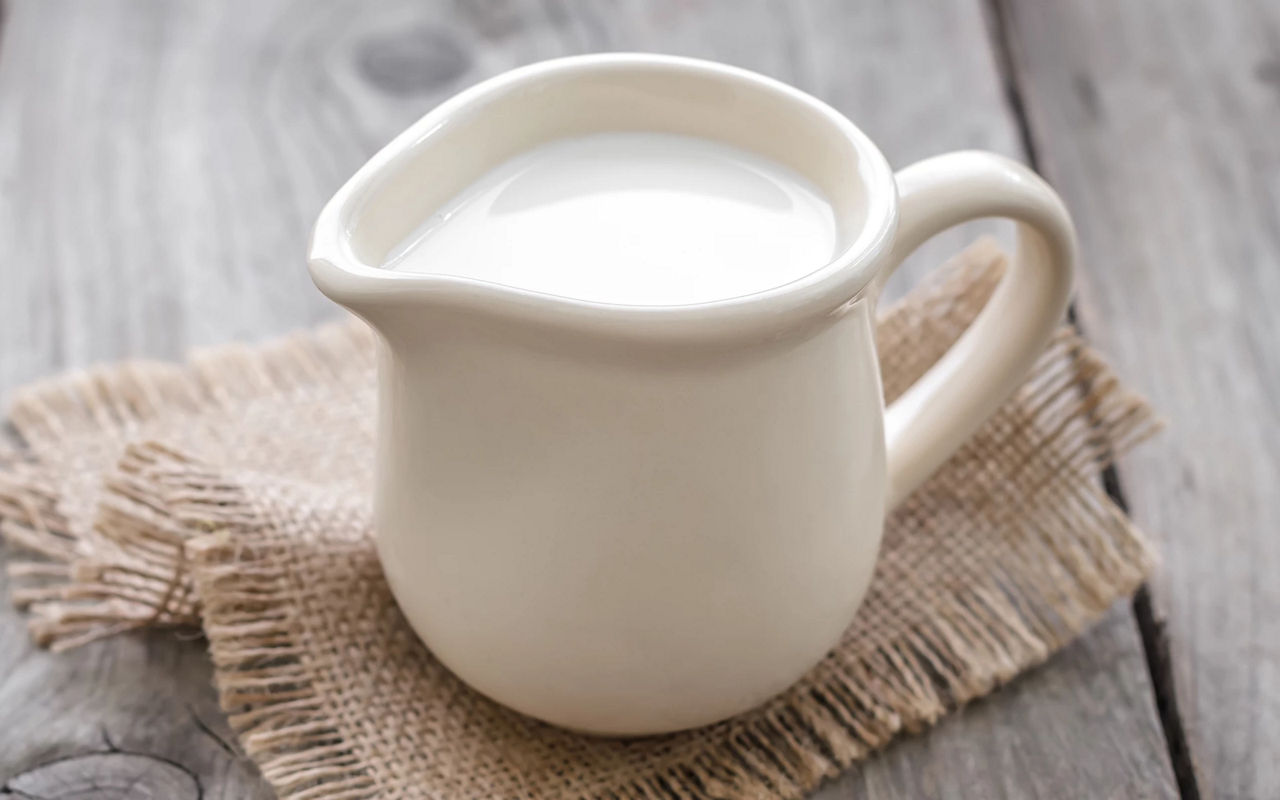
  • Dairy products, including pasteurised milk, cheese and yoghurt.
  • Tofu and soya drinks that have added calcium. 
  • Leafy green vegetables. 
  • Fortified bread and cereals. 
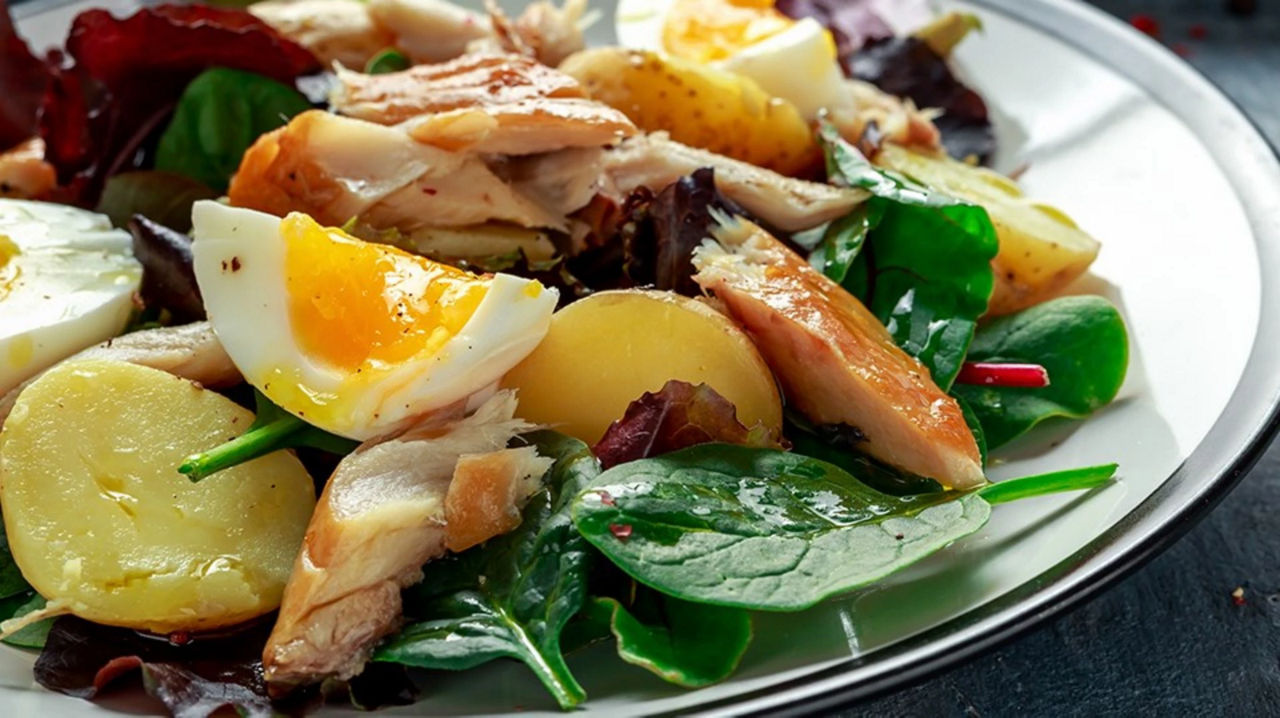
  • Fish with soft bones that are safe to eat. For example, sardines and pilchards. Read more about eating fish in pregnancy.
blackberry-raspberry-yoghurt-pots

The science behind: calcium


As well as building healthy bones and teeth, calcium has several other vital jobs in the body too, including17:

  • Regulating muscle contractions, including your and your baby’s heartbeat.
  • Helping your blood to clot normally.
  • Supporting the healthy function of nerves and muscle tissue.

There’s also some evidence to suggest that getting enough calcium during your pregnancy can reduce the risk of preeclampsia and your baby arriving early18.

Want to know more about getting enough calcium during your pregnancy?

Foods to avoid while pregnant

Whilst you don’t need to follow a specific diet, there are certain foods to avoid during pregnancy, such as19:

  • Raw and undercooked meat.
  • Unpasteurised milk and dairy products. 
  • Liver, and excessive consumption of foods high in vitamin A.

Your emotional wellbeing

Pregnancy hormones aside, it’s perfectly natural to feel a little anxious and unsettled as you move towards your second trimester. Becoming a parent is one of life’s most significant changes. Give yourself the time you need, and don’t hesitate to lean on your friends and family for support.

If you’re struggling with any aspect of your emotional wellbeing, always speak to your doctor and midwife for advice and support. You can also be referred to the perinatal mental health services for additional support in pregnancy20,21. Other useful charities and helplines to call are:

Practical advice for your pregnancy

As you look to the second trimester of pregnancy, things are probably starting to feel a little more real. At this point, there are some things you’ll need to think about to ensure your pregnancy is as stress-free as possible.

Understanding your rights at work

If you’re employed, it’s essential to know where you stand when it comes to your rights and protections. Things to think about include:

  • Whether or not you’re entitled to maternity leave.
  • When to tell your employer about your pregnancy.
  • Paternity leave.
  • Maternity pay entitlement.
  • Going back to work after having your baby.

Read more in our complete guide to maternity leave  and download your free copy of our maternity pay guide. 

Preparing for Antenatal Classes

Antenatal classes are a great way to meet new friends and other parents-to-be who are on the same journey. They also provide you with lots of information about what to expect from labour and birth, as well as practical support around breastfeeding and caring for your newborn.

Some antenatal classes are available online, while others are held in person. Speak to your midwife about the options available in your local area (good examples are classes provided by the NHS or the NCT). Just a quick heads up; if you’d like to attend antenatal classes, it’s best to start looking sooner rather than later as they book up quickly.

11 weeks pregnant: FAQs

When am I officially 3 months pregnant?

You’re officially into your third month of pregnancy at 9 weeks, with your second trimester beginning when you reach week 13.

When is it Safe to Announce Pregnancy?

When you choose to announce your pregnancy is entirely up to you. While some parents prefer to wait until after their 12-week scan, others feel comfortable sharing their news as soon as they find out about the pregnancy. There are no set rules here, only what’s right for you. 

Why is 12 weeks a milestone in pregnancy?

There are many important milestones throughout your pregnancy, but reaching 12 weeks is often considered one of the biggest. This is probably because it marks the end of your first trimester and the time when you may start to feel that pregnancy ‘glow’.

It’s also the time when you’re likely to have your first ultrasound scan, where you’ll see your little one on screen for the first time and be reassured that they’re growing just as they should. 

  1. NHS Just One Norfolk. Development during pregnancy [online]. Available at https://www.justonenorfolk.nhs.uk/child-development-additional-needs/developmental-stages/development-in-pregnancy/. [Accessed September 2025]
  2. NHS inform. How your baby develops week to week [online 2025]. Available at https://www.nhsinform.scot/ready-steady-baby/pregnancy/your-baby-s-development/how-your-baby-develops-week-to-week/#week-9-to-16. [Accessed September 2025]
  3. NHS Better Start in Life. Week 11 [online]. Available at https://www.nhs.uk/start-for-life/pregnancy/week-by-week-guide-to-pregnancy/1st-trimester/week-11/#look-like. [Accessed September 2025]
  4. NHS 111 Wales. Pregnancy guide [online 2023]. Available at https://111.wales.nhs.uk/doityourself/pregnancy/9to12weeks/. [Accessed September 2025]
  5. NHS. Ultrasound scans in pregnancy [online 2023]. Available at https://www.nhs.uk/pregnancy/your-pregnancy-care/ultrasound-scans/. [Accessed September 2025]
  6. NHS. Weight gain in pregnancy [online 2022]. Available at https://www.nhs.uk/pregnancy/related-conditions/common-symptoms/weight-gain/. [Accessed September 2025]
  7. NHS. Exercise in pregnancy [online 2023]. Available at https://www.nhs.uk/pregnancy/keeping-well/exercise/. [Accessed September 2025]
  8. NHS. Signs and symptoms of pregnancy [online 2023]. Available at https://www.nhs.uk/pregnancy/trying-for-a-baby/signs-and-symptoms-of-pregnancy/#:~:text=Sore%20breasts%20in%20early%20pregnancy,may%20darken%20and%20stand%20out. [Accessed September 2025]
  9. NHS. Severe vomiting in pregnancy [online 2023]. Available at https://www.nhs.uk/pregnancy/related-conditions/complications/severe-vomiting/. [Accessed September 2025]
  10. NHS Better Start in Life. Morning sickness  [online]. Available at https://www.nhs.uk/best-start-in-life/pregnancy/morning-sickness/. [Accessed September 2025]
  11. NHS Better Start in Life. Week 10 [online]. Available at https://www.nhs.uk/start-for-life/pregnancy/week-by-week-guide-to-pregnancy/1st-trimester/week-10/#bloating. [Accessed September 2025]
  12. NHS. Vaginal bleeding in pregnancy [online 2024]. Available at https://www.nhs.uk/pregnancy/related-conditions/common-symptoms/vaginal-bleeding/#:~:text=In%20early%20pregnancy%2C%20you%20might,period%20would%20have%20been%20du. [Accessed September 2025]
  13. NHS. Stomach pain in pregnancy [online 2024]. Available at https://www.nhs.uk/pregnancy/related-conditions/common-symptoms/stomach-pain/#:~:text=Stomach%20(abdominal)%20pains%20or%20cramps,a%20poo%20or%20pass%20wind. [Accessed September 2025]
  14. Tommy's. Emotional changes in pregnancy [online 2024]. Available at https://www.tommys.org/pregnancy-information/im-pregnant/mental-wellbeing/emotional-changes-pregnancy. [Accessed September 2025]
  15. NHS. Vitamins, supplements and nutrition in pregnancy [online 2023]. Available at https://www.nhs.uk/pregnancy/keeping-well/vitamins-supplements-and-nutrition/. [Accessed September 2025]
  16. BDA The Association of UK Dieticians. Calcium [online 2021]. Available at https://www.bda.uk.com/resource/calcium.html. [Accessed September 2025]
  17. NHS Calderdale and Huddersfield. Dietary advice to increase your calcium intake [online]. Available at https://www.cht.nhs.uk/fileadmin/site_setup/contentUploads/newsItems/Files/Calcium_intake.pdf. [Accessed September 2025]
  18. Gomes F, Ashorn P, Askari S, Belizan JM, Boy E, Cormick G, Dickin KL, Driller-Colangelo AR, Fawzi W, Hofmeyr GJ, Humphrey J, Khadilkar A, Mandlik R, Neufeld LM, Palacios C, Roth DE, Shlisky J, Sudfeld CR, Weaver C, Bourassa MW. Calcium supplementation for the prevention of hypertensive disorders of pregnancy: current evidence and programmatic considerations. Ann N Y Acad Sci. 2022 Apr;1510(1):52-67. doi: 10.1111/nyas.14733. Epub 2022 Jan 8. PMID: 35000200; PMCID: PMC9306576.
  19. NHS. Foods to avoid in pregnancy [online 2023]. Available at https://www.nhs.uk/pregnancy/keeping-well/foods-to-avoid/. [Accessed September 2025]
  20. Bsmhft.nhs.uk. (2020). Perinatal mental health service - Birmingham and Solihull Mental Health NHS Foundation Trust - BSMHFT. [online] Available at: https://www.bsmhft.nhs.uk/our-services/specialist-services/perinatal-mental-health-service/. [Accessed March 2026]
  21. MIND (2020). Support and services. [online] www.mind.org.uk. Available at: https://www.mind.org.uk/information-support/types-of-mental-health-problems/postnatal-depression-and-perinatal-mental-health/support-and-services/. [Accessed March 2026]

Last reviewed: March 2026
Reviewed by Nutricia’s Medical and Scientific Affairs Team

Your baby's future health begins here

At Aptaclub, we believe that experience helps to build resilience; and that each new encounter, whether in pregnancy or after birth, can shape your baby’s future development. With our scientific expertise and one-to-one round the clock support, we can help you and your baby embrace tomorrow.

mom and baby

Need some help?

You can get quick answers to common questions in our FAQs.

Alternatively, if you need help with general pregnancy or baby advice, or maybe on using or ordering our products - our expert team are always on hand to talk about feeding your baby. 


Share this article

x