At week 13 of pregnancy, you’re just over 3 months pregnant. Your second trimester has started, and you’re over a third of the way through your pregnancy.
13 weeks pregnant: pregnancy symptoms & baby development

Explore pregnancy stages week by week


At 13 weeks pregnant, you’re officially in your second trimester and a third of the way through your pregnancy. As your pregnancy progresses, week by week, you may notice that some of those early pregnancy symptoms are easing and that your energy levels are increasing1.
Your baby is rapidly growing now, and there are lots of changes in your body, too. Here, we’re taking a look at how your baby is developing, what second-trimester symptoms you might experience, and why fibre is such an important part of a healthy pregnancy diet.
Reviewed by Deborah, an experienced midwife and public health specialist (MPH). Dedicated to evidence-based care, Deborah draws on her clinical expertise to advocate for women and families across the UK maternity system.
Your baby’s development at 13 weeks pregnant
It’s still a little too early to find out the sex of your baby at 13 weeks pregnant. However, their genitals are now starting to form outside their body2.
Other developments this week include the continued growth of your baby’s internal organs, including their liver, kidneys and pancreas3, and over the coming weeks, your baby’s focus will be on growing bigger and putting on weight.
Whilst they’re wriggling and moving around a lot in your womb, it’s unlikely that you’ll feel any movements from your baby at 13 weeks. You’ll usually feel those first ‘flutters’ of movement at around week 17 of your pregnancy – especially if this is your first pregnancy1.
How big is my baby at 13 weeks pregnant, and what do they look like?
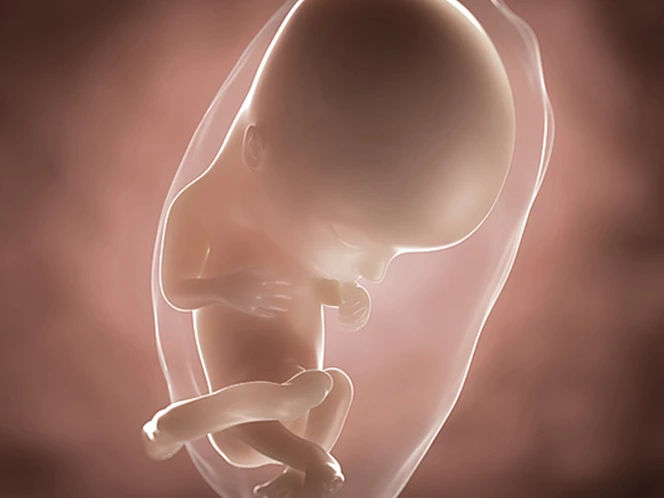
At 13 weeks pregnant, your baby is about the size of a small peach, measuring around 7.4 cm long, and weighing around 25g1,2.
Now that you’re 13 weeks pregnant, your baby’s head will now grow slower than the rest of their body, and they’ll start to look more in proportion and more like the baby you’ll meet very soon.
Your baby’s ears are also developing, but they can’t hear anything just yet.
Pregnancy at 13 weeks (second trimester): what’s happening in my body?
At 13 weeks pregnant, you might notice a small baby bump as your womb begins to move upwards. This means that your baby isn’t pressing on your bladder as much, so the need to go for a wee more often may start to ease off1. If you’ve been experiencing morning sickness , the vomiting and nausea may subside, too.
Increased sex drive
At week 13, pregnancy might bring with it some other changes in your body, too. For example, some women notice an increase in their sex drive. This could be down to the pregnancy hormones that are working their way around your body, and because of the increased blood flow to your pelvic area1.
It’s perfectly safe for you to have and enjoy sex during your pregnancy, unless you’ve been advised not to do so by your doctor or midwife1. You might be give this advice if4:
- You’ve had any bleeding during your pregnancy.
- You’ve previously had a premature labour.
- You’re expecting twins and are in the later stages of pregnancy.
- Your waters have broken.
If you don’t notice an increase in your sex drive, that’s perfectly fine. Not all women have the same experience, and every pregnancy is different. Listen to your body and do what’s right for you.

Join Aptaclub for a chance to win a £100 John Lewis voucher, plus expert feeding advice, expert parenting tools, helpful checklists and the latest deals straight to your inbox.
By registering you're confirming you agree with our T&Cs and Privacy Policy. You can opt out anytime.
13 weeks pregnant: signs and symptoms
Some of the early pregnancy symptoms that might have been a feature of your first trimester may now have started to ease off, either in part or completely.
On the other hand, it’s possible that these symptoms will continue for a little while longer, and that some other second-trimester symptoms come along to join them, too.
Below, you can read more about some of the common pregnancy signs and second-trimester symptoms.
If you notice that it hurts when you go for a wee, or if your urine has an unusual smell and looks cloudy, this could be a sign of a urinary tract infection. These are very common in pregnancy, as you’re more prone to bacteria reaching your urethra and bladder5.
If you’ve got any of the above symptoms, speak to your doctor or midwife who will advise if you need treatment.
An increase in vaginal discharge is very common throughout pregnancy, as it helps to prevent infections from travelling to your womb from the vagina6.
If your vaginal discharge is clear or milky white and has a thin consistency, that’s a good sign that it’s perfectly healthy. You should, however, seek medical advice if6:
- The discharge has a strange or unpleasant smell.
- It’s painful when you go for a wee.
- Your vagina feels sore or itchy.
- The discharge looks green or yellow or blood stained.
As your baby grows, your uterus will change and stretch to accommodate them getting bigger. This can cause pain and discomfort in your abdomen, known as round ligament pain7.
If you’re worried about any cramp or pain that you’re experiencing, or if it’s accompanied by unusual discharge or bleeding, always speak to your doctor or midwife for advice.
Bleeding and swollen gums may well be something you’re experiencing at 13 weeks pregnant. Those hard-at-work pregnancy hormones, and the changes they cause in your body, can leave your gums more prone to plaque. This, in turn, can cause them to bleed and become swollen1.
To keep your teeth and gums as healthy as possible, remember to brush at least twice a day, floss regularly, and avoid consuming sugary food and drinks.
You’re entitled to free dental care while pregnant and the first year after your baby is born. Speak to your midwife to ensure you’ve been issued your maternity exemption certificate. For more information visit the NHS website.
At 13 weeks pregnant, you may be feeling bloated and have excess gas. Bloating and gas can be caused by constipation – another very common pregnancy symptom. Constipation is usually the result of the hormonal changes, and to ease any discomfort, try our top tips below8:
- Eat plenty of high-fibre foods like fruits and vegetables, wholemeal cereals and bread, and lentils, beans and pulses.
- Drink lots of water.
- Try some gentle exercise or going for a stroll after your meals, if you feel up to it.
The same pregnancy hormones that can cause bloating, gas and constipation can also lead to heartburn (or acid reflux). Your growing baby pressing against your stomach may also contribute to the symptoms, which include9:
- A pain or burning sensation in your chest
- Feeling sick
- Burping and bringing up food
- Feeling bloated
Whilst there are some remedies that you can take for heartburn relief, always speak with your pharmacist, doctor or midwife before doing so, as not all of them are safe for you to take when pregnant.
Many women find that their energy levels improve once they pass the end of their first trimester and early pregnancy symptoms like morning sickness ease off. This may mean you find it easier to stay active in your second trimester – even a brisk walk can do wonders!10
Increased bloodflow during pregnancy can lead to veins that appear more visible under your skin. These are called varicose veins and are most common in the legs. Varicose veins are very normal during your pregnancy11. You should seek medical advice if you have varicose veins or if you feel unsure.
You can help relieve any other symptoms of varicose veins, like swelling, aching, or itching, by11:
- Resting with your legs up when you can.
- Exercising regularly.
- Using a gentle moisturiser.
13 weeks pregnant ultrasound: what you might see
Your first ultrasound scan, also known as your 12-week scan or dating scan, should take place between weeks 10 and 14 of your pregnancy12. During your scan, you’re likely to see your baby moving around in your womb, and maybe even sucking their thumb1. At this stage, it’s too early to tell whether you’re having a girl or a boy, but you might be able to find out at your 20-week scan13.
Focus on: Fibre
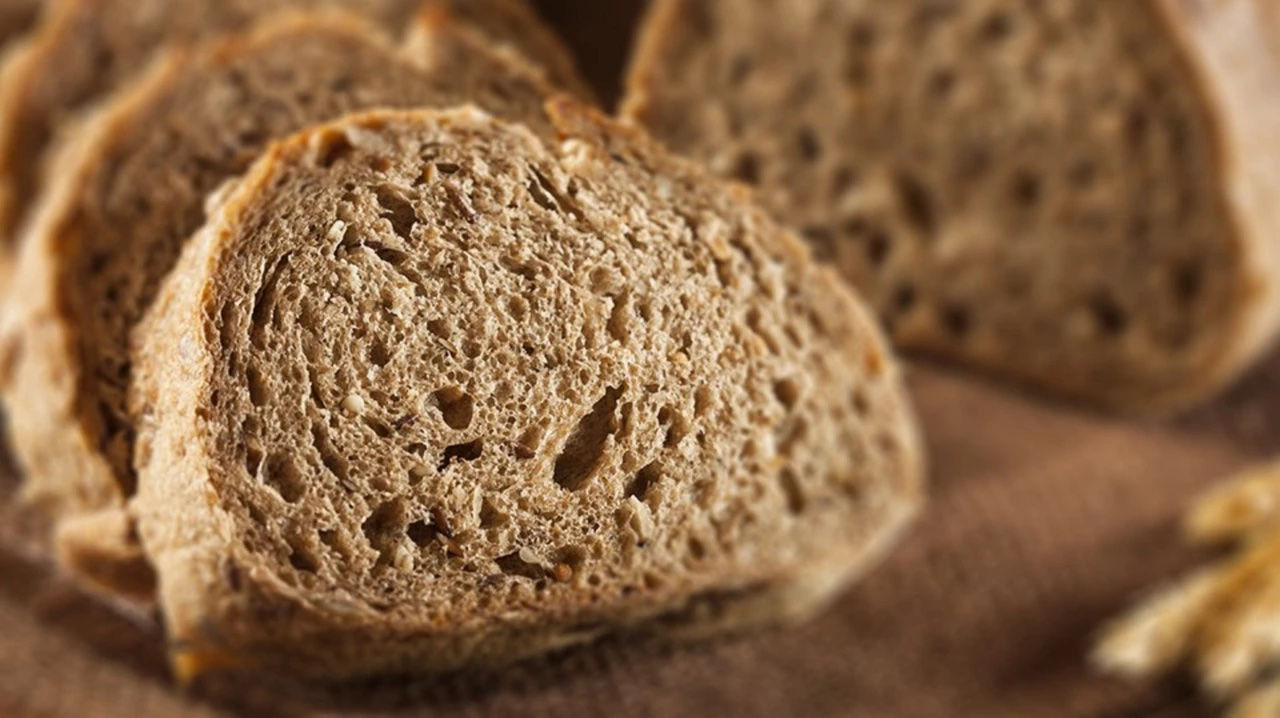
Found in plant-based foods, fibre is the part of the plant that your body can’t digest. By moving through the body intact, rather than being absorbed, it helps other waste products to pass through more effectively and efficiently14.
The science behind: fibre
There are two types of fibre: soluble and insoluble. Insoluble fibre doesn't dissolve in water and isn’t broken down by the body. Instead, it passes through your system, absorbing water along the way, helping other foods move through. Soluble fibre absorbs water, making stools softer and easier to pass14.
Fibre is an important part of a healthy pregnancy diet, and can help relieve symptoms like bloating and constipation. Yet many women aren’t getting enough15.
You can get more fibre in your diet by including foods such as14:
- Bran and wholemeal flour – found in many breakfast cereals and bread.
- Oats – eat porridge for a fibre-rich start to the day.
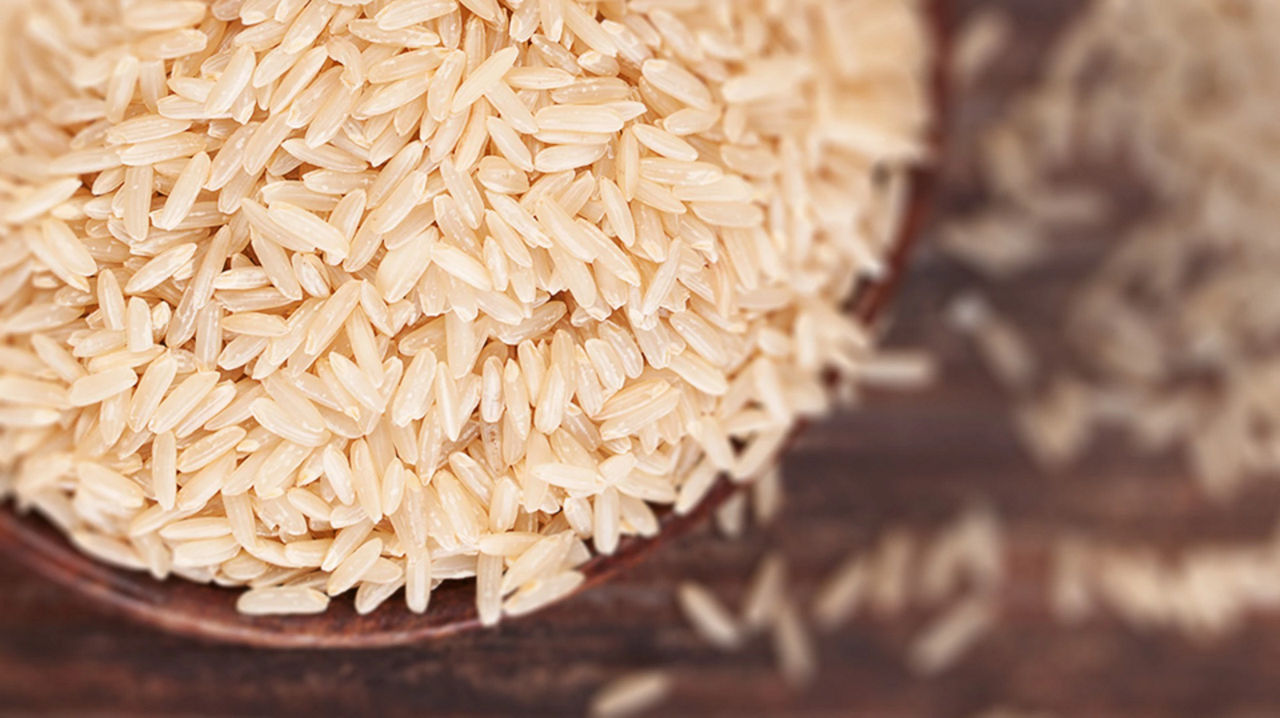
- Brown rice – opt for this high-fibre version over white varieties.
- Root vegetables – potatoes are a good source of fibre, especially with their skins on.
- Nuts and seeds, lentils and legumes, and all other vegetables.
- Fruit – including dried fruit. Apricots and figs are especially rich in fibre and iron.
13 weeks pregnant: next steps
At 13 weeks pregnant, you may well be starting to look ahead to some of the practicalities that will help you prepare for your baby’s arrival into the world.
For example, you could:
- Register for antenatal classes to help you and your birth partner prepare for labour
- Add pelvic floor exercises into your daily routine to help your body prepare for later pregnancy and labour.
- If you’re working, prepare to tell your employer. It’s a good idea to read up on your maternity rights to ensure that your needs are being met.
- Start thinking about your birth plan. You could consider options for where you’d like to give birth, and what kind of pain relief you might like when the time comes.
- Continue with a healthy pregnancy diet.
- NHS Best Start in Life. Week 13 [online] Available at https://www.nhs.uk/best-start-in-life/pregnancy/week-by-week-guide-to-pregnancy/2nd-trimester/week-13/ [Accessed January 2026]
- HSE (2025). 13 to 16 weeks pregnant [online]. Available at https://www2.hse.ie/pregnancy-birth/baby-development-pregnancy-stages/stages/13-16-weeks/ [Accessed January 2026]
- NHS Inform (2025). How your baby develops week to week [online]. Available at https://www.nhsinform.scot/ready-steady-baby/pregnancy/your-baby-s-development/how-your-baby-develops-week-to-week/#week-9-to-16 [Accessed January 2026]
- Tommy's (2023). Is it safe to have sex in pregnancy? [online] Available at https://www.tommys.org/pregnancy-information/im-pregnant/sex-pregnancy [Accessed January 2026]
- NHS (2025). Urinary tract infections (UTIs) [online]. Available at https://www.nhs.uk/conditions/urinary-tract-infections-utis/ [Accessed January 2026]
- NHS (2024). Vaginal discharge in pregnancy [online]. Available at https://www.nhs.uk/pregnancy/common-symptoms/vaginal-discharge/ [Accessed January 2026]
- HSE (2023). Round ligament pain in pregnancy [online]. Available at https://www2.hse.ie/conditions/round-ligament-pain-pregnancy/ [Accessed January 2026]
- NHS (2024). Common health problems in pregnancy [online]. Available at https://www.nhs.uk/pregnancy/common-symptoms/common-health-problems/ [Accessed January 2026]
- NHS (2023). Indigestion and heartburn in pregnancy [online]. Available at https://www.nhs.uk/pregnancy/common-symptoms/indigestion-and-heartburn/ [Accessed January 2026]
- NHS Tameside and Glossop Integrated Care. 2nd trimester [online] Available at https://www.tamesideandglossopmaternity.nhs.uk/my-pregnancy/pregnancy-journey/2nd-trimester [Accessed January 2026]
- NHS (2024). Varicose veins [online]. Available at https://www.nhs.uk/conditions/varicose-veins/ [Accessed January 2026]
- NHS (2023). 12-week scan [online] Available at https://www.nhs.uk/pregnancy/your-pregnancy-care/12-week-scan/ [Accessed January 2026]
- NHS (2024). 20-week screening scan [online] Available at https://www.nhs.uk/pregnancy/your-pregnancy-care/20-week-scan/ [Accessed January 2026]
- British Nutrition Foundation (2023). Fibre [online] Available at https://www.nutrition.org.uk/nutritional-information/fibre/ [Accessed January 2026]
- NHS (2022). How to get more fibre into your diet [online]. Available at https://www.nutrition.org.uk/nutritional-information/fibre/ [Accessed January 2026]
- NHS (2024). Your baby's movements [online]. Available at https://www.nhs.uk/pregnancy/keeping-well/your-babys-movements/ [Accessed January 2026]
- Dugas C, Slane VH. Miscarriage (Archived). 2022 Jun 27. In: StatPearls [Internet]. Treasure Island (FL): StatPearls Publishing; 2025 Jan–. PMID: 30422585.
- NHS (2024). 20-week screening scan [online] Available at https://www.nhs.uk/pregnancy/your-pregnancy-care/20-week-scan/ [Accessed January 2026]
- NHS Lanarkshire (2022). Care of your body in pregnancy [online]. Available at https://www.nhslanarkshire.scot.nhs.uk/patient-information-leaflets/maternity-physiotherapy/pil-carebp-19-28185-w/ [Accessed January 2026]
- NHS (2024). Tiredness and sleep problems in pregnancy [online]. Available at https://www.nhs.uk/pregnancy/common-symptoms/tiredness/ [Accessed January 2026]
Last reviewed: April 2026
Reviewed by Nutricia’s Medical and Scientific Affairs Team

related articles