Our baby is considered full-term in week 37 of your pregnancy and because they’re so big now, you’ll feel even their smallest movements inside you. As their birth approaches, it’s important to maintain your balanced diet, making sure you get enough nutrients like calcium, which is also important while breastfeeding.
37 weeks pregnant
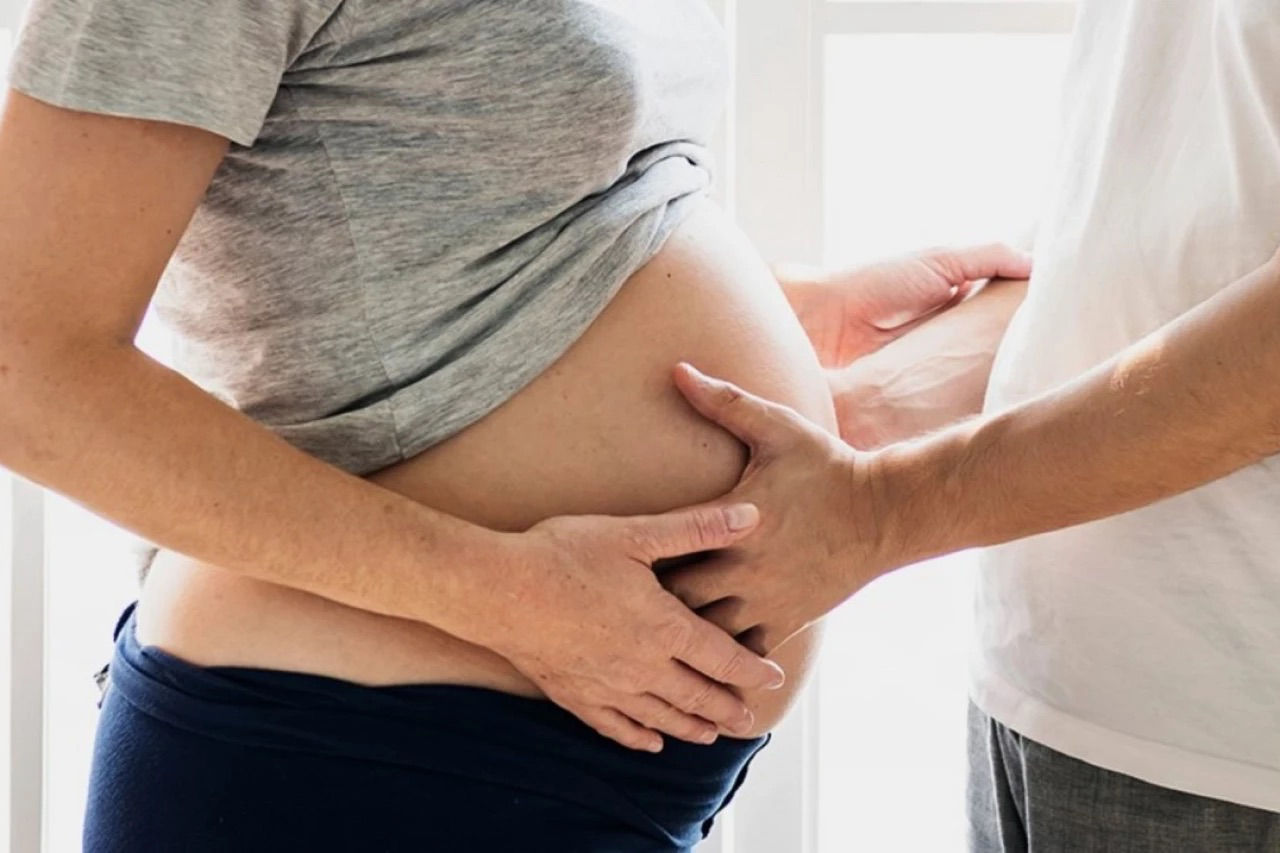
Explore pregnancy stages week by week
Reaching full-term in week 37
By the time you're 37 weeks pregnant, your baby is fully developed and considered full-term1. There is no reason to delay labour if it starts at this stage – your baby is ready for the outside world2.
Now weighing roughly 6.5lbs and measuring around 34cm from crown to rump2, they are most likely in the head-down position ready for birth. As they move lower into your abdomen and relieve the pressure on your ribs, you may start to feel more comfortable1.
Your baby’s digestive system is now ready to digest breast milk and pass out any waste. The first poo will contain the waste that has built up throughout pregnancy too, a sticky substance called meconium. Green in colour, it may contain some of the fine hairs that acted as an added layer of insulation on your baby’s body during pregnancy. Much of this lanugo will have now come off their skin, although some babies are born with small patches still remaining1.
Although physically fully formed, your baby’s immune system is still developing. After birth, your breast milk will provide antibodies and immune factors that will help to protect them from infection while building up their natural defences2.
By week 37, your baby is fully developed and considered full-term.

Join Aptaclub for a chance to win a £100 John Lewis voucher, plus expert feeding advice, expert parenting tools, helpful checklists and the latest deals straight to your inbox.
By registering you're confirming you agree with our T&Cs and Privacy Policy. You can opt out anytime.
Calcium for you; calcium for your baby
Calcium is essential for building strong bones and teeth3; maintaining muscle function, helping blood clot; and maintaining nerve function3.
It is an important mineral for your baby’s developing bones during pregnancy and because your baby will get all of their nutrition from your breast milk, you should make sure you consume plenty of calcium-rich foods when you’re breastfeeding, too.
In fact, your daily breastfeeding calcium requirement is 550mg more than during pregnancy4.
According to the Department of Health, you should be able to get all the calcium you need by eating a balanced, healthy diet. However, If you don’t eat any dairy foods, you will find it tricky to get enough calcium, particularly if you are breastfeeding when your recommended intake is 1250-1350mg of calcium per day4.
If you think your diet is low in calcium, talk to your health professional about taking a calcium supplement.
According to the Department of Health, you should be able to get all of the calcium you need by eating a balanced, healthy diet.
Next Steps
Use this guide to the calcium content of certain foods to work out if you are getting enough calcium each day.
| Food | Calcium Content |
| 200ml semi-skimmed milk | 230mg |
| 30g Cheddar cheese | 220mg |
| 150g plain low-fat yoghurt | 240mg |
| 200ml calcium-enriched soya milk | 180mg |
| 2 dried figs | 100mg |
| 6 almonds | 30mg |
| 90g cooked spinach | 160mg |
| 1 scoop dairy ice cream | 60mg |
| 1 tbsp sesame seeds | 80mg |
| 2 tinned sardines with edible bones | 270mg |
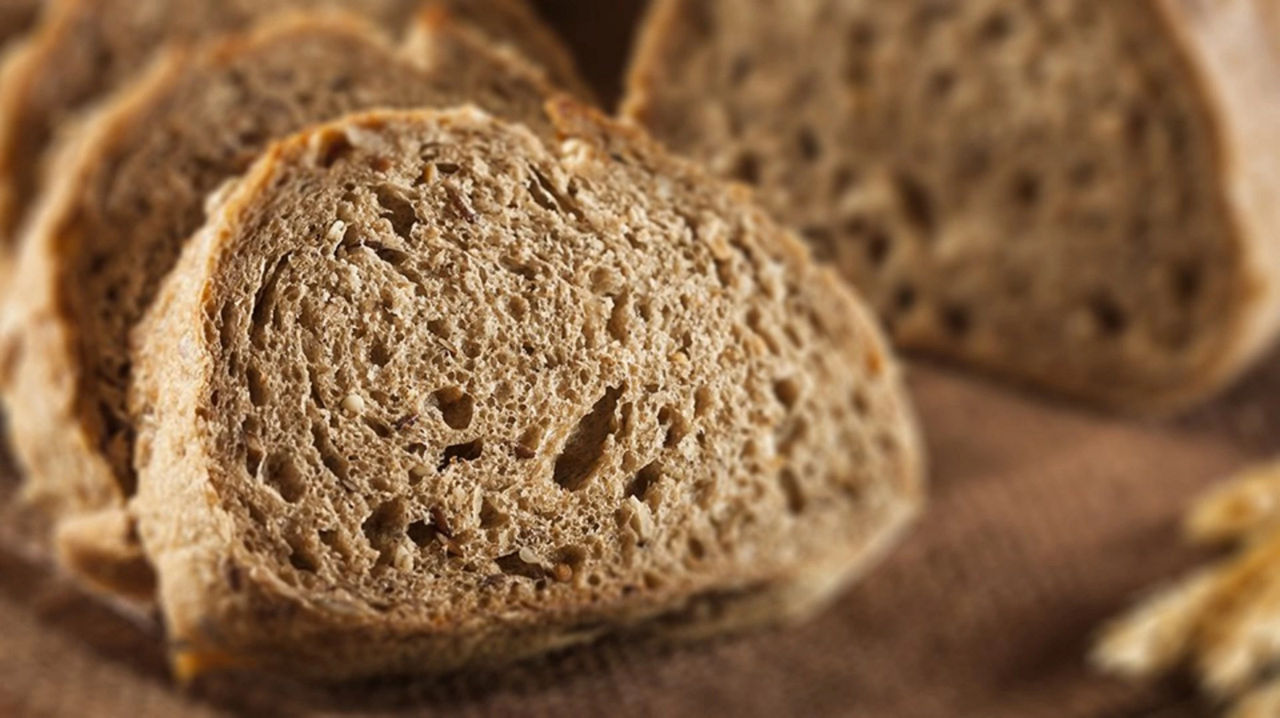
| 2 slices white bread | 127mg |
| 2 slices wholemeal bread | 76mg |
related articles
Read More





- NHS UK. You and your baby at 37-40 weeks pregnant [Online]. 2015. Available at: www.nhs.uk/conditions/pregnancy-and-baby/pages/pregnancy-weeks-37-38-39-40.aspx [Accessed September 2016]
- Deans A. Your New Pregnancy Bible, The experts’ guide to pregnancy and early parenthood. 4th ed. London: Carroll & Brown Publishers Limited, 2013. p. 49.
- Commission Regulation (EU) No 432/2012 of 16 May 2012 establishing a list of permitted health claims made on foods, other than those referring to the reduction of disease risk and to children’s development and health. OJ L 136, 25.5.2012, pp. 1–40.
- Department of Health. Report on Health and Social Subjects 41. Dietary Reference Values for Food Energy and Nutrients for the United Kingdom. London TSO. 1991
- Adapted from: Theobald, H. Dietary Calcium and Health. British Nutrition Foundation Nutrition Bulletin,2005; 30, 254–255.
Last reviewed: 9th September 2016