If you have a sweet tooth, sugary foods can be hard to resist. But with very little nutritional value, sugar and sugary foods have few benefits for you or your baby. Find out how sugar affects you during pregnancy and discover healthy alternatives to satisfy sweet cravings.
Sugar in pregnancy
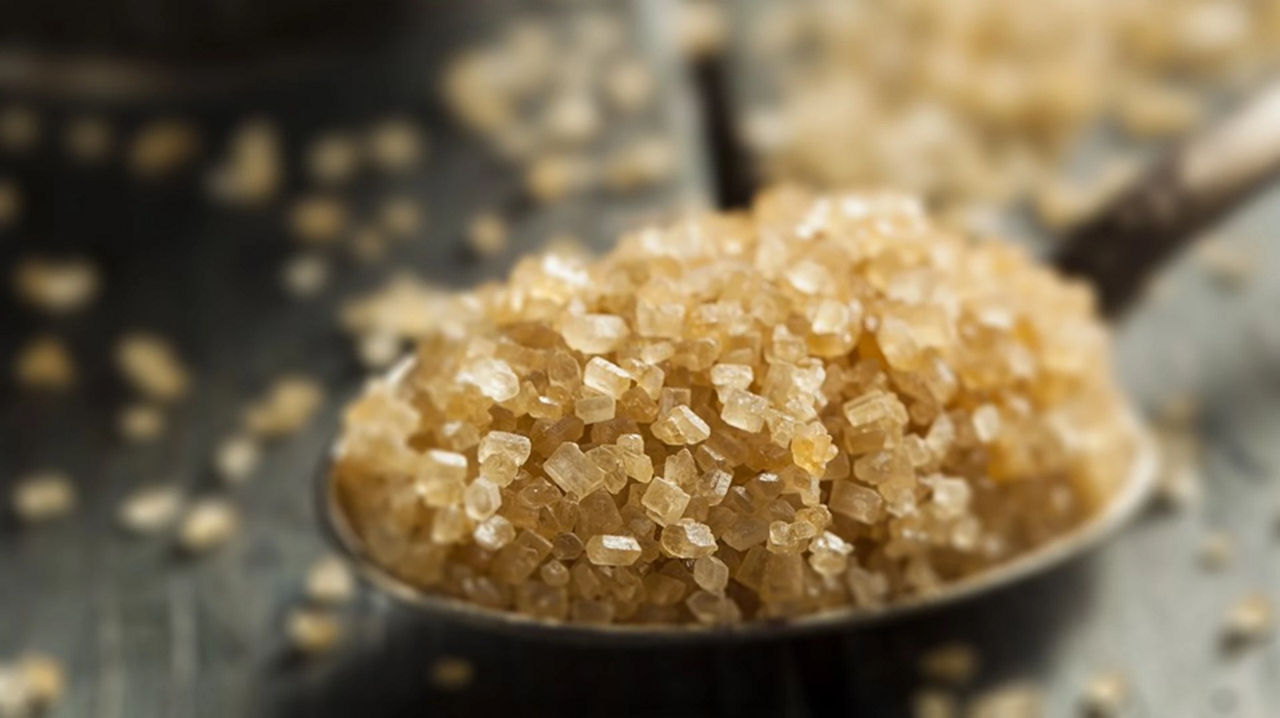
What happens if I eat too much sugar when I’m pregnant?
Most sugary foods and drinks are made with sucrose, otherwise known as table sugar. This form of sugar releases energy quickly, causing blood glucose to spike, triggering a rapid release of insulin to absorb it. You’ve probably experienced the boost of a sugar rush, which is generally followed by a dramatic slump in energy. Rather than keeping you going throughout the day, eating too much sugar when you’re pregnant can leave you feeling even more tired1.
A low-sugar intake helps to keep your blood sugar more stable, along with your resulting energy levels2 and is more likely to result in healthy pregnancy weight gain. Eating too much sugar when you’re pregnant may increase your risk of gestational diabetes3 and pre-eclampsia4 and increases the risk of your baby becoming overweight later in life2.
But how much sugar is too much during pregnancy?
The government recommends that free sugars – sugars added to food or drinks, and sugars found naturally in honey, syrups, and unsweetened fruit and vegetable juices - should not make up more than 5% of the calories you get from food and drink each day5. Pregnant women should have no more than 30g of free sugars a day, which is roughly equivalent to seven sugar cubes5. For instance, one can of cola can have up to nine sugar cubes which is more than the daily allowance5.
Free sugars are found in sweets, cakes, biscuits, chocolate, and some fizzy drinks and juice drinks. These are the sugary foods pregnant women should try to cut down on as part of a healthy pregnancy diet5.
This doesn’t mean you can’t enjoy anything sweet. A healthier approach is to limit free sugars in your diet and replace them with naturally sweet, nutritious alternatives.

Join Aptaclub for a chance to win a £100 John Lewis voucher, plus expert feeding advice, expert parenting tools, helpful checklists and the latest deals straight to your inbox.
By registering you're confirming you agree with our T&Cs and Privacy Policy. You can opt out anytime.

Understanding gestational diabetes
Gestational diabetes is a type of diabetes specific to pregnancy that tends to develop sometime after 20 weeks. It occurs when the body can’t produce enough insulin to regulate the level of glucose in the blood3.
The condition has been connected to a higher birth weight in babies, and pregnancy or birth complications3. Maintaining a healthy pregnancy weight with a low-sugar diet and regular exercise can help minimise your likelihood of developing this condition1.
Factors that can increase your risk for gestational diabetes include:
- Previously giving birth to a baby weighing more than 9.9lbs6
- Having gestational diabetes in the past6
- Having a sibling, parent or grandparent with diabetes6
- Being of south Asian, black Caribbean or Middle Eastern origin6
If your midwife thinks you are at a higher risk of gestational diabetes, you’ll probably be offered a glucose tolerance test (GTT) at around week 28 of pregnancy3.
Low sugar foods for pregnancy
While sweet, sugary foods can be tempting, cakes, pastries, biscuits and sugary drinks should ideally be reserved for occasional treats. It’s better for both you and your baby to avoid eating too much sugar when you’re pregnant and find healthier alternatives instead.
There are many low sugar foods to eat when you’re pregnant. Fruits such as mango, pineapple and berries are good ways to satisfy a sweet craving while still providing a variety of vitamins, minerals and fibre. Fresh, frozen and tinned options are all good, just remember to choose tinned fruit in natural juice or water without any added sugar7.
Dried fruit like apricots or prunes are also good and they give an extra dose of iron8, too. When buying dried fruit, check it doesn’t contain any added sugar, as well. Lastly, try to spread out your fruit intake during the day for a steadier release of natural sugars9.
Simple low sugar swaps
- Replace biscuits with something savoury like carrots with hummus
- Chop fresh fruit into your cereal or porridge, instead of using sugar
- Munch on homemade popcorn, instead of a shop-bought sweet variety
- Snack on dried nuts, instead of sweets
- Drink carbonated water with added fresh juice, instead of cola
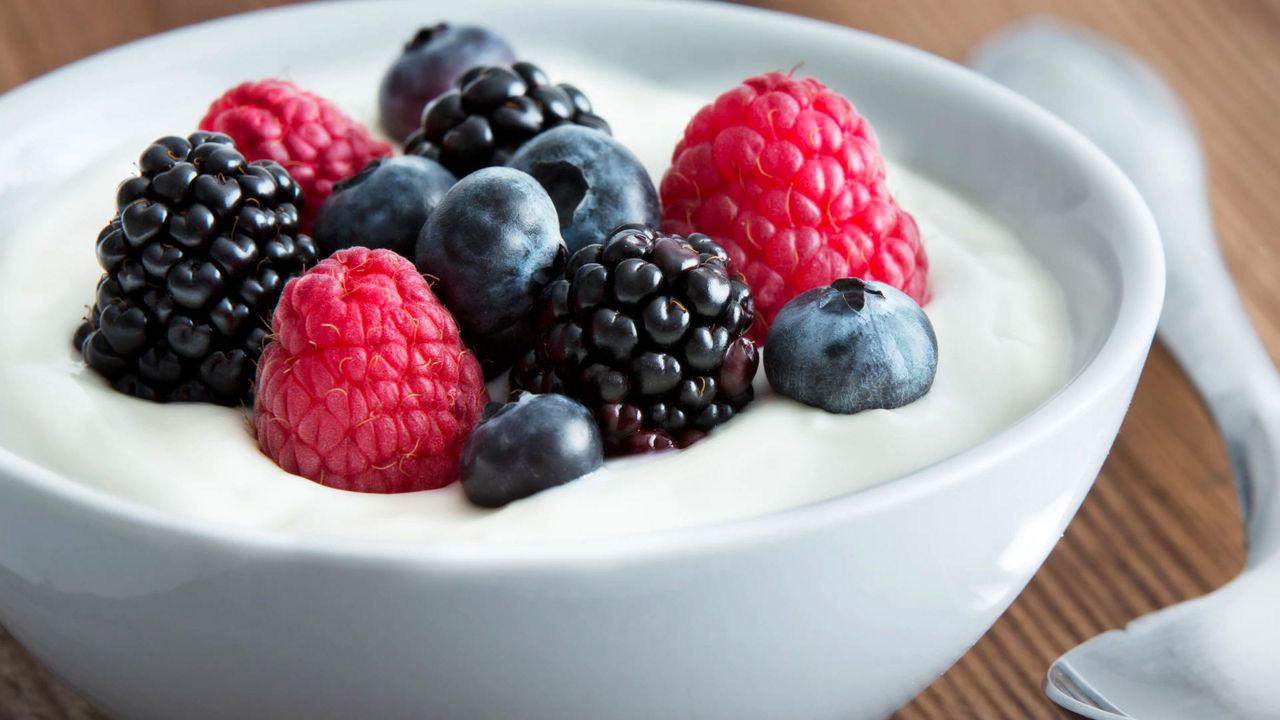
- Swap ice cream for a bowl of Greek yogurt and berries
Want to learn more? Find out which foods to avoid when you’re pregnant and why salt is important in pregnancy.
Related Topics
Read next


- Murrin C et a.. Maternal macronutrient intake during pregnancy and 5 years postpartum and associations with child weight status aged five. Eur J Clin Nutr 2013;67(6):670-679.
- Walsh JM et al. The association of maternal and fetal glucose homeostasis with fetal adiposity and birthweight. European Journal of Obstetrics & Gynecology and Reproductive Biology 2011;159(2):338-341.
- NHS. Gestational diabetes [Online]. 2016. Available at: www.nhs.uk/conditions/gestational-diabetes/pages/introduction.aspx [Accessed February 2020]
- Borgen I et al. Maternal sugar consumption and risk of preeclampsia in nulliparous Norwegian women. Eur J Clin Nutr 2012;66(8):920-5.
- NHS. How does sugar in our diet affect our health [Online]. 2017. Available at https://www.nhs.uk/live-well/eat-well/how-does-sugar-in-our-diet-affect-our-health/ [Accessed February 2020]
- NHS. Diabetes and pregnancy [Online]. 2015. Available at: www.nhs.uk/Conditions/pregnancy-and-baby/pages/diabetes-pregnant.aspx [Accessed February 2020]
- NHS. 5 a day – What counts? [Online]. 2015. Available at: www.nhs.uk/Livewell/5ADAY/Pages/Whatcounts.aspx [Accessed February 2020]
- NHS. Iron-deficiency anaemia - treatment [Online]. 2016. Available at: www.nhs.uk/Conditions/Anaemia-iron-deficiency-/Pages/Treatment.aspx [Accessed February 2020]
- Diabetes UK. Fruit and diabetes [Online]. Available at: https://www.diabetes.org.uk/guide-to-diabetes/enjoy-food/eating-with-diabetes/food-groups/fruit-and-diabetes [Accessed February 2020]
Last reviewed: 28th July 2020
Reviewed by Nutricia’s Medical and Scientific Affairs Team