Vitamin D in pregnancy

Crucial in supporting the development of your baby’s bones, teeth and muscles, Vitamin D is a key nutrient during pregnancy. While exposure to the sun is the main natural source of vitamin D, in the UK, sunshine is not always that easy to come by.

Discover the best sources of vitamin D during pregnancy, how to make sure you meet your recommended daily requirement, and learn how to spot the symptoms of vitamin D deficiency.

sources of vitamin d

Why is vitamin D so important during pregnancy?

Your baby’s bones grow and form at a rapid rate throughout pregnancy. Vitamin D is a key part of this fascinating and complex process, due to its role in regulating the amount of calcium and phosphate in the body.

Your baby’s vitamin D levels at birth depend on your own intake throughout pregnancy1, so the best way to support your baby’s bones and future health is to make sure you get the recommended daily amount.

sun

What are the best sources of vitamin D?

The most effective source of vitamin D is exposure to sunlight (your body produces vitamin D in response to UVB rays on your skin)2. However, in the UK, the sun’s rays are only strong enough during the summer months. And even then, your exposure is likely to be patchy, with various factors at play, including cloud cover, your use of sunscreen, the time of day you go outside, the natural pigmentation of your skin and the coverage you get from your clothes.

From October until April, your body relies on any reserves of vitamin D left over from the summer. Once these have been used up, other sources are required to maintain an adequate supply2. The problem is, only a few foods provide vitamin D, making it difficult to get sufficient amounts.

How much vitamin D do you need when you’re pregnant?

It’s recommended that all pregnant and breastfeeding women take a vitamin D supplement of 10mcg per day3.

This will provide enough vitamin D for your own needs and help you to build up the stores your baby needs for the first six months of life1.

If you’re on a lower income, check if you qualify for free vitamin D supplements as part of the Healthy Start scheme. Ask your GP or midwife for more details.

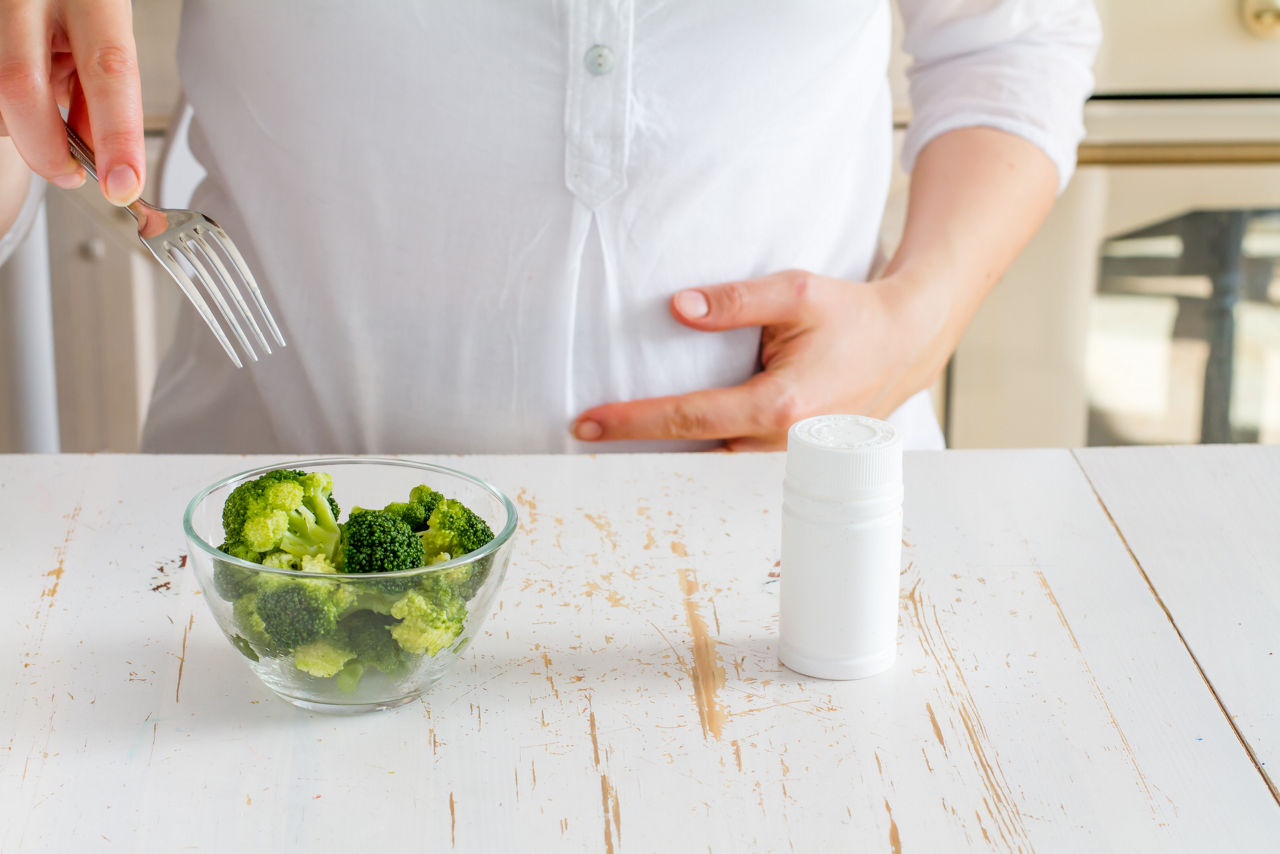
If you’re taking a prenatal multivitamin, make sure it contains 10mcg of vitamin D. If it doesn’t, ask your midwife about taking a separate supplement.

Favourites_Cards

Join Aptaclub for a chance to win a £100 John Lewis voucher, plus expert feeding advice, expert parenting tools, helpful checklists and the latest deals straight to your inbox.

Your email will be used to create your account and to recognise you when you contact us. We may also use your email to match data for research purposes.
Loading....
This field is required Please retype or use an alternative email address with a minimum of two letters, containing an @ symbol i.e. email@email.co.uk Your email has been verified. You can now register Please verify your email before submitting. Name validation https://bpi.briteverify.com/api/public/v1/fullverify 2b465552-a427-4a22-b5a8-aaba7770bf1d
Your password must be a minimum of 8 characters, with at least 1 letter, 1 number and 1 special character.
This field is required Please ensure your passwords match and contain a minimum of 8 characters, with at least 1 letter, 1 number and 1 special character.
Cow & Gate products excluding first infant milks and food for special medical purposes.
Please tick this box
Before we send you advice and information on infant feeding (for babies below 6 months), we're required to ask for your consent.

It looks as though you already have an account with us via [Aptaclub/C&G Babyclub] – please try your password for that account to login, or click 'forgot my password' to reset.

Please correct the errors in the form

By registering you're confirming you agree with our T&Cs and Privacy Policy. You can opt out anytime.

What happens when you have a vitamin D deficiency in pregnancy?

A lack of vitamin D, known as vitamin D deficiency, can result in tiredness and aches and pains1. When you’re pregnant or breastfeeding, you’re at an increased risk of vitamin D deficiency and need to pay special attention to getting an adequate amount1.

If you have dark skin, your increased pigment affects your skin’s ability to generate vitamin D3, making a daily supplement even more important. Women of South Asian, African, Caribbean and Middle Eastern descent who live in the UK are particularly at risk2.

Taking a daily supplement protects your own health, as well as your baby’s. In babies and children, extreme vitamin D deficiency can lead to rickets, a condition characterised by soft bones that don’t develop as they should. A lack of vitamin D has also been linked to long-term conditions such as osteoporosis and diabetes, and other serious diseases3.

Which foods contain Vitamin D?

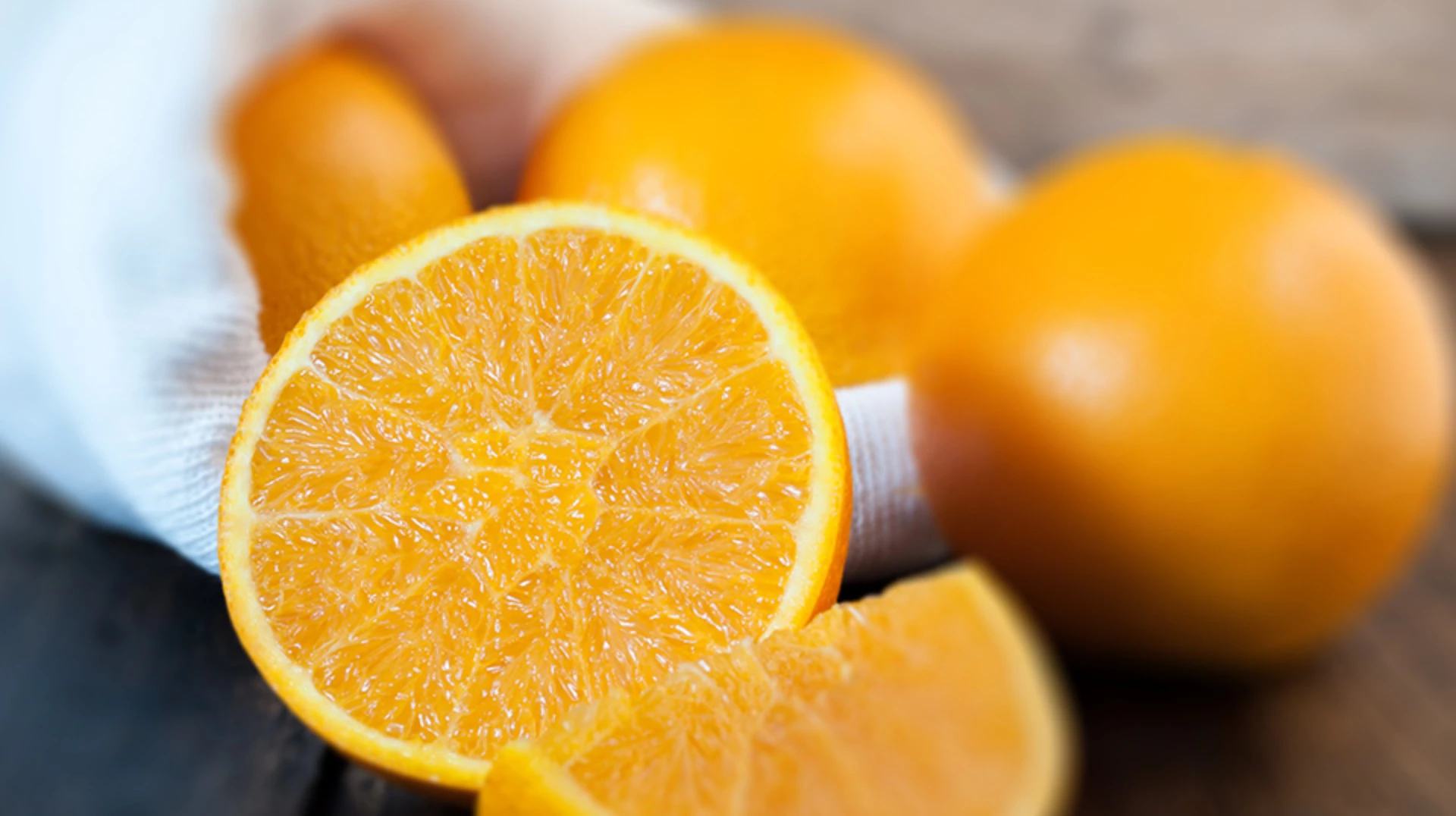
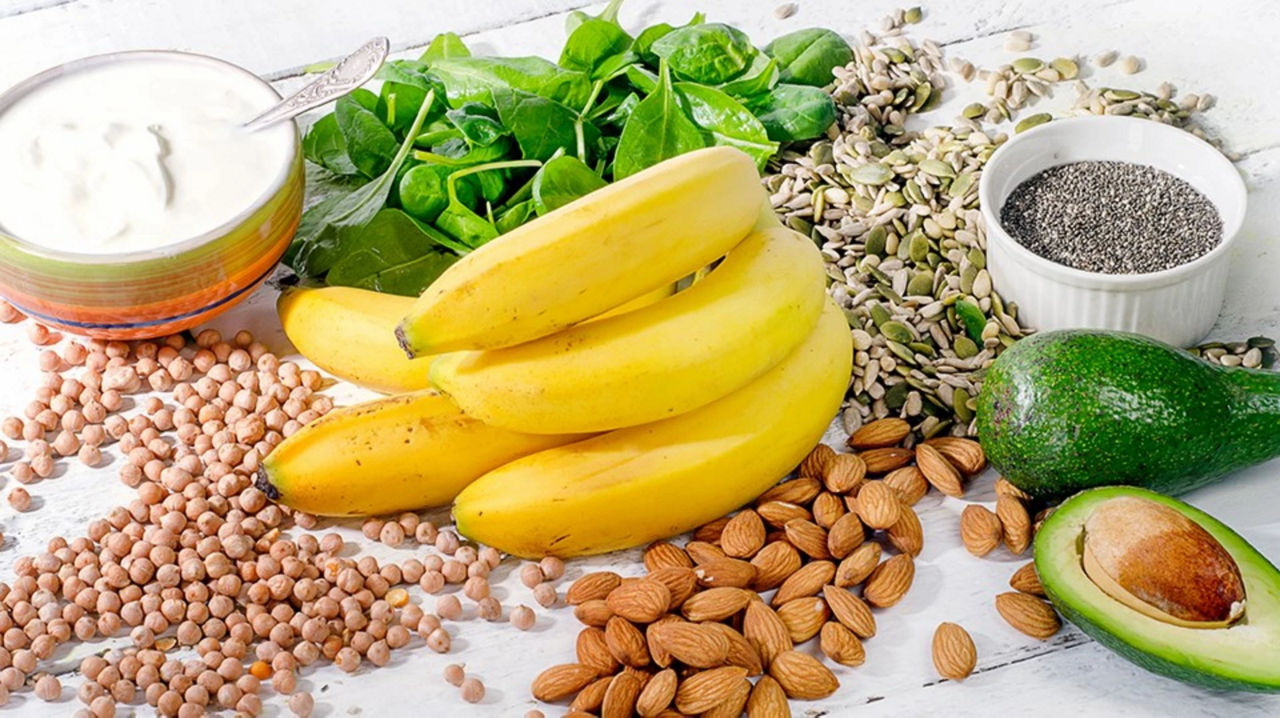
Oily fish, egg yolks and certain types of mushrooms are among the few dietary sources of vitamin D, along with certain fortified breakfast cereals and dairy products. As such, it’s very hard to get the vitamin D you need to support you and your growing baby from your diet alone. Learn more about a healthy pregnancy diet..

The science behind Vitamin D, Powered by Nutricia

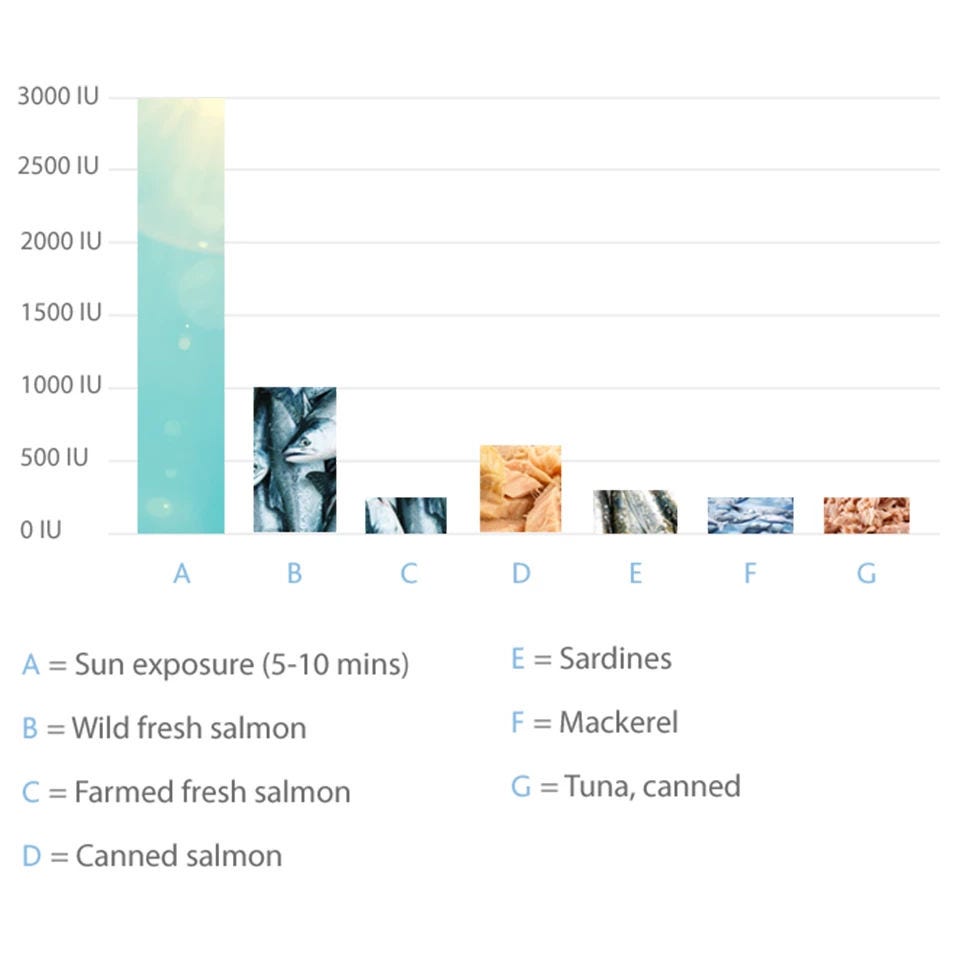
Did you know, you’ll get the same amount of vitamin D from spending five to ten minutes in the sun as you would from eating three portions of fresh salmon4.

The graph below shows the amount of vitamin D you get from different foods compared to the amount you get from sun exposure, which is measured in ‘IU’.

Try increasing your intake with these vitamin D-rich snacks and meals:

mom and baby

Need some help?

You can get quick answers to common questions in our FAQs.

Alternatively, if you need help with general pregnancy or baby advice, or maybe on using or ordering our products - our expert team are always on hand to talk about feeding your baby. 


  1. SACN. Update on Vitamin D [Online]. 2016. Available at: www.gov.uk/government/uploads/system/uploads/attachment_data/file/339349/SACN_Update_on_Vitamin_D_2007.pdf [Accessed March 2020]
  2. NHS. How to get vitamin D from sunlight [Online]. 2018. Available at: www.nhs.uk/Livewell/Summerhealth/Pages/vitamin-D-sunlight.aspx [Accessed March 2020]
  3. NHS. Vitamin supplements in pregnancy [Online]. 2020. Available at: www.nhs.uk/conditions/pregnancy-and-baby/pages/vitamins-minerals-supplements-pregnant.aspx [Accessed March 2020]
  4. Holick MF. Vitamin D deficiency. N Engl J Med 2007;357(3):266-281.

Share this article

Favourites_Cards

Join Aptaclub for a chance to win a £100 John Lewis voucher, plus expert feeding advice, expert parenting tools, helpful checklists and the latest deals straight to your inbox.

Your email will be used to create your account and to recognise you when you contact us. We may also use your email to match data for research purposes.
Loading....
This field is required Please retype or use an alternative email address with a minimum of two letters, containing an @ symbol i.e. email@email.co.uk Your email has been verified. You can now register Please verify your email before submitting. Name validation https://bpi.briteverify.com/api/public/v1/fullverify 2b465552-a427-4a22-b5a8-aaba7770bf1d
Your password must be a minimum of 8 characters, with at least 1 letter, 1 number and 1 special character.
This field is required Please ensure your passwords match and contain a minimum of 8 characters, with at least 1 letter, 1 number and 1 special character.
Cow & Gate products excluding first infant milks and food for special medical purposes.
Please tick this box
Before we send you advice and information on infant feeding (for babies below 6 months), we're required to ask for your consent.

It looks as though you already have an account with us via [Aptaclub/C&G Babyclub] – please try your password for that account to login, or click 'forgot my password' to reset.

Please correct the errors in the form

By registering you're confirming you agree with our T&Cs and Privacy Policy. You can opt out anytime.

x