Iodine in pregnancy

Iodine is a trace element found in dairy foods, fish and some other foods1. One of the less well-known nutrients, it has a vital role to play in your everyday health and your baby’s incredible journey from conception to birth.

Learn more about the importance of iodine in your pregnancy diet, the best sources of iodine and how much iodine you need in your diet.

Iodine is a key nutrient during pregnancy. For a start, it’s involved in many functions and processes of your body, including making your thyroid hormones. These hormones affect the way your cells function, which in turn affect many processes of your body, such as your heart rate and your metabolism. Having low levels of these hormones has been linked to weight gain, fatigue and mood swings.  

Iodine’s also vital for your baby’s brain development. During pregnancy, your baby’s cells rely on your iodine intake, including their rapidly developing brain cells2. A good supply of iodine is essential to building this complex organ2. A well-balanced pregnancy diet that includes a healthy intake of iodine-rich foods will support your baby’s developing brain, contributing to their learning and motor skills, and helping to set the stage for all future development.
 

How much iodine do you need when you’re pregnant?

Despite being present in many foods, studies have found that there’s a widespread lack of iodine in our diets3. Because the best sources are all animal-based, if you’re vegetarian, vegan or follow a plant-based diet, you may be at a higher risk of iodine deficiency3. If you’re concerned that you might not be getting enough iodine in your diet, talk to your midwife about taking a pregnancy-safe iodine supplement4.

The daily recommended amount for women is 140mcg. If you decide to breastfeed your baby, you shouldn’t need to make any special dietary changes but it’s a good idea to eat healthily. For more advice, you can always talk to your midwife or healthcare professional.

Why is iodine so important during pregnancy?

Favourites_Cards

Join Aptaclub for a chance to win a £100 John Lewis voucher, plus expert feeding advice, expert parenting tools, helpful checklists and the latest deals straight to your inbox.

Your email will be used to create your account and to recognise you when you contact us. We may also use your email to match data for research purposes.
Loading....
This field is required Please retype or use an alternative email address with a minimum of two letters, containing an @ symbol i.e. email@email.co.uk Your email has been verified. You can now register Please verify your email before submitting. Name validation https://bpi.briteverify.com/api/public/v1/fullverify 2b465552-a427-4a22-b5a8-aaba7770bf1d
Your password must be a minimum of 8 characters, with at least 1 letter, 1 number and 1 special character.
This field is required Please ensure your passwords match and contain a minimum of 8 characters, with at least 1 letter, 1 number and 1 special character.
Cow & Gate products excluding first infant milks and food for special medical purposes.
Please tick this box
Before we send you advice and information on infant feeding (for babies below 6 months), we're required to ask for your consent.

It looks as though you already have an account with us via [Aptaclub/C&G Babyclub] – please try your password for that account to login, or click 'forgot my password' to reset.

Please correct the errors in the form

By registering you're confirming you agree with our T&Cs and Privacy Policy. You can opt out anytime.

Which foods contain iodine?

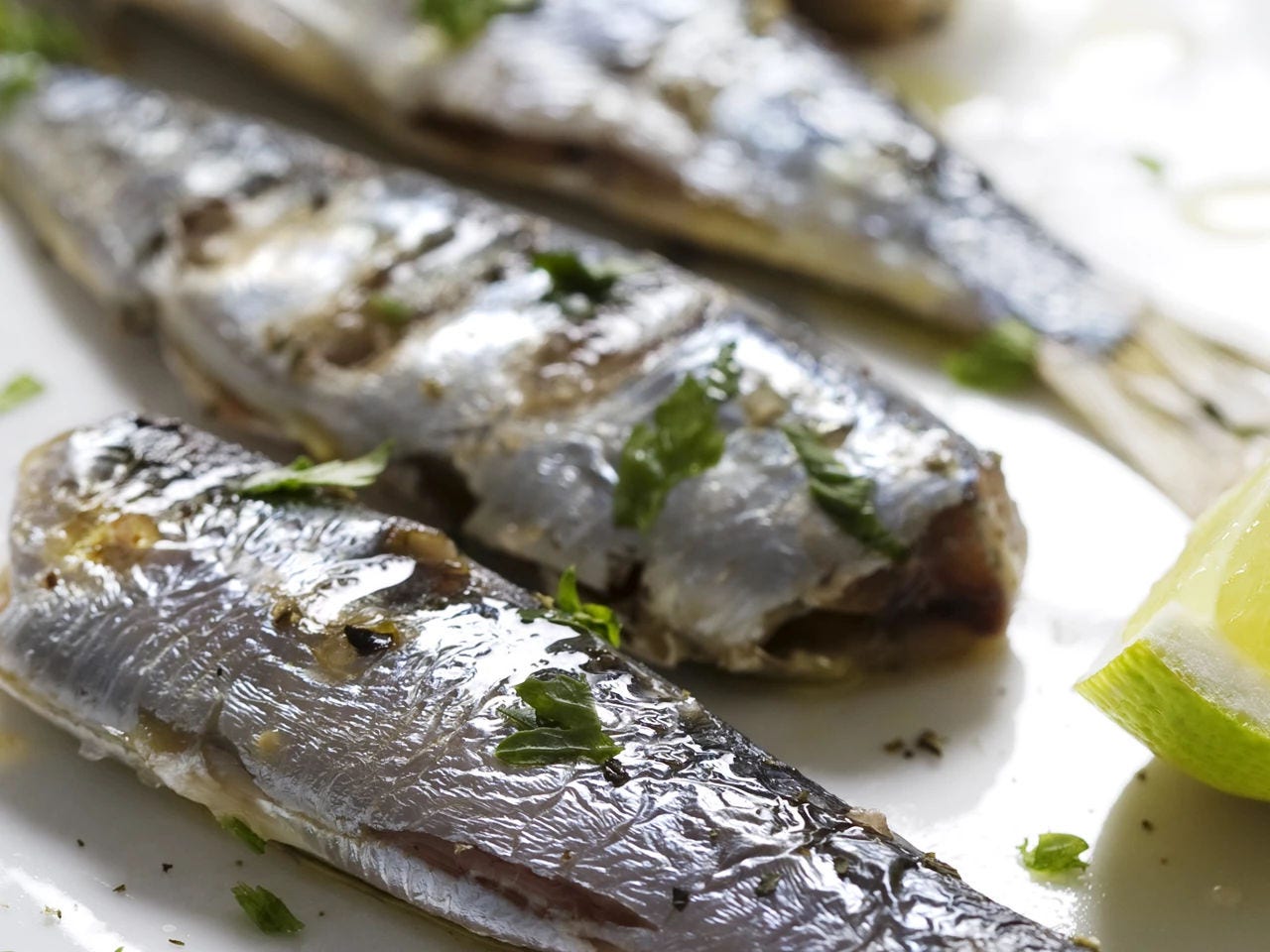
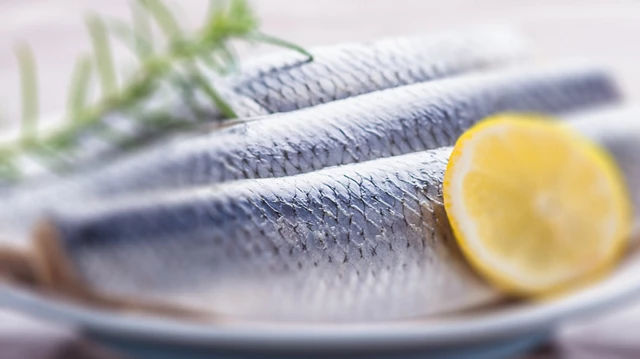
White fish and dairy foods are all excellent sources of iodine4. You can also increase your intake by replacing your regular salt with an iodised version (which is salt that has been fortified with iodine3). Although it goes without saying, you shouldn’t increase your salt intake in order to boost your iodine intake.

While seaweed (which absorbs iodine from seawater) can also be an excellent source, the amount of iodine in seaweed is highly variable. Some varieties contain very high levels of iodine, and could be harmful if eaten in large quantities on a regular basis. Some health bodies advise not eating seaweed more than once a week during pregnancy. However, small amounts of powdered or crumbled seaweed can be added to soups, stews and salads.

Learn about other foods to avoid during pregnancy.

Foods high in iodine for pregnancy

FoodPortionAvergage nutrient quantity (mg)
White fish100g115
Oily fish100g115
Yoghurt150g50-100
Shellfish100g90
Cow's milk200ml50-80
Organic cow's milk
200ml30-65
Eggs1 egg20
Cheese40g20
Meat100g10
Poultry100g
10
Nuts25g5
Bread1 slice5
Fruit and veg1 portion3

It’s worth noting that the iodine content of dairy varies depending on the season, due to variations in how cows are fed throughout the year. Higher levels of iodine have been measured in milk over the winter when cows are fed on winter feed rations, compared with the summer, when lower levels have been measured5. These seasonal changes have been linked to the amount of iodine in maternal diets6.

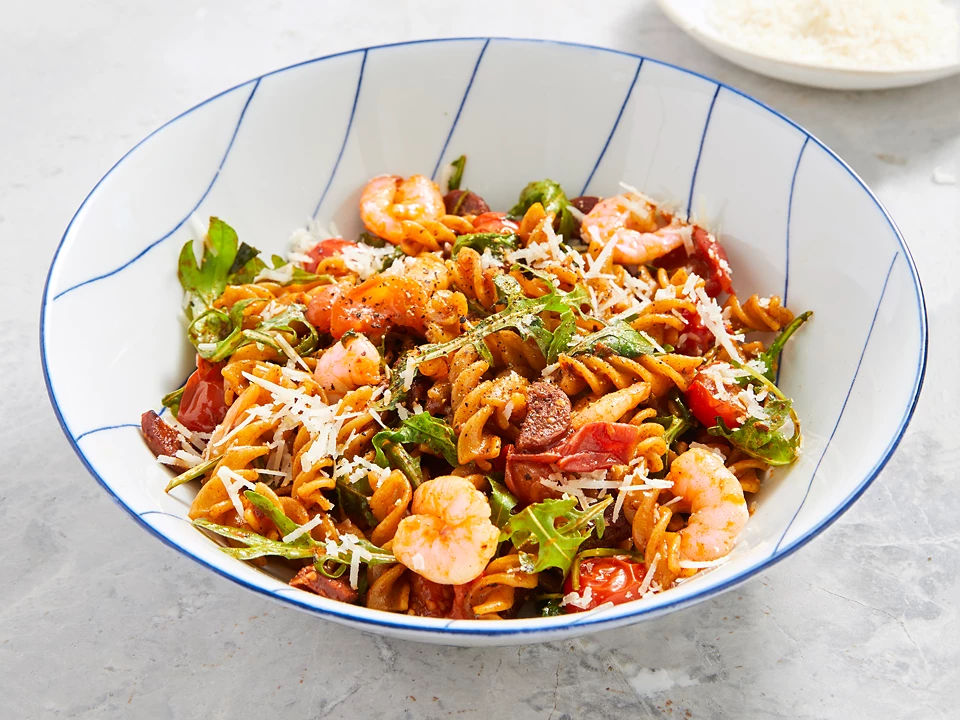
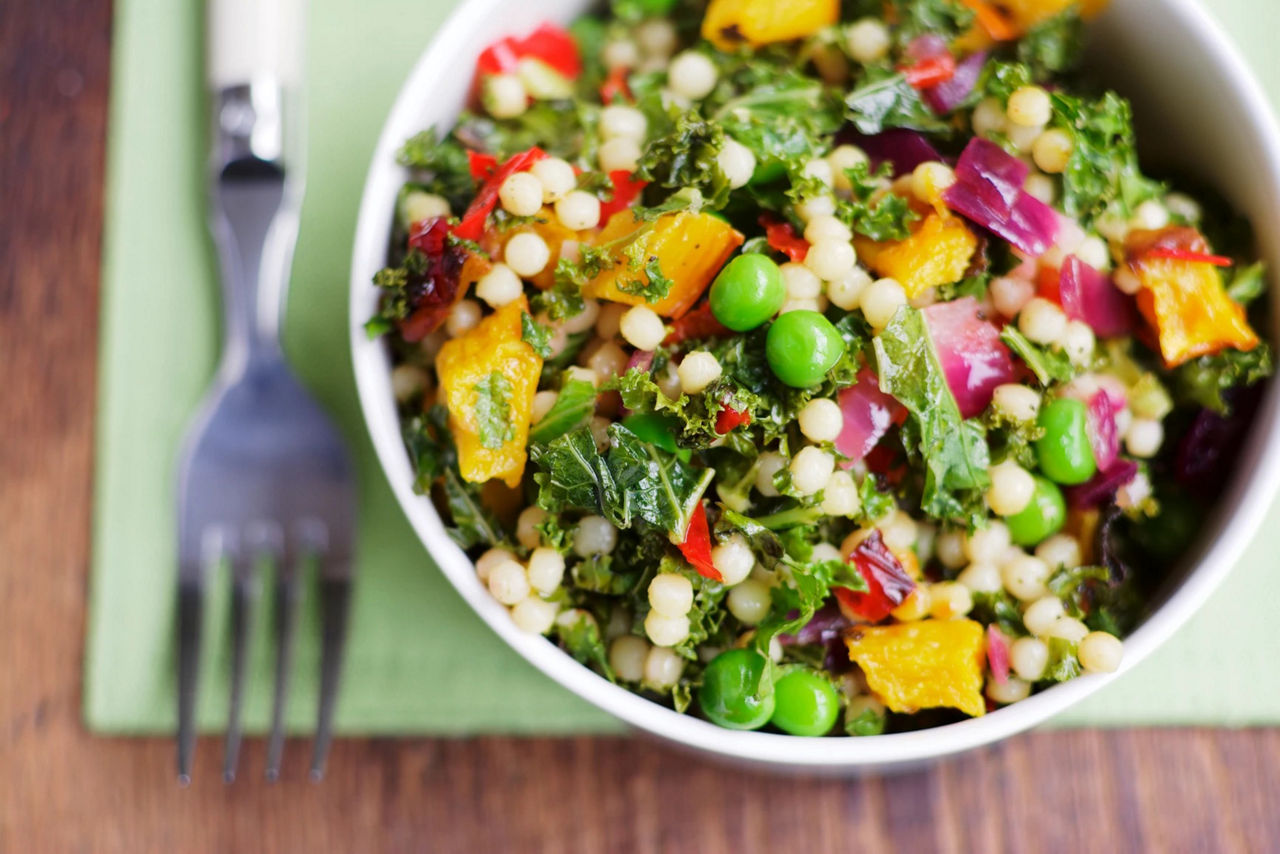
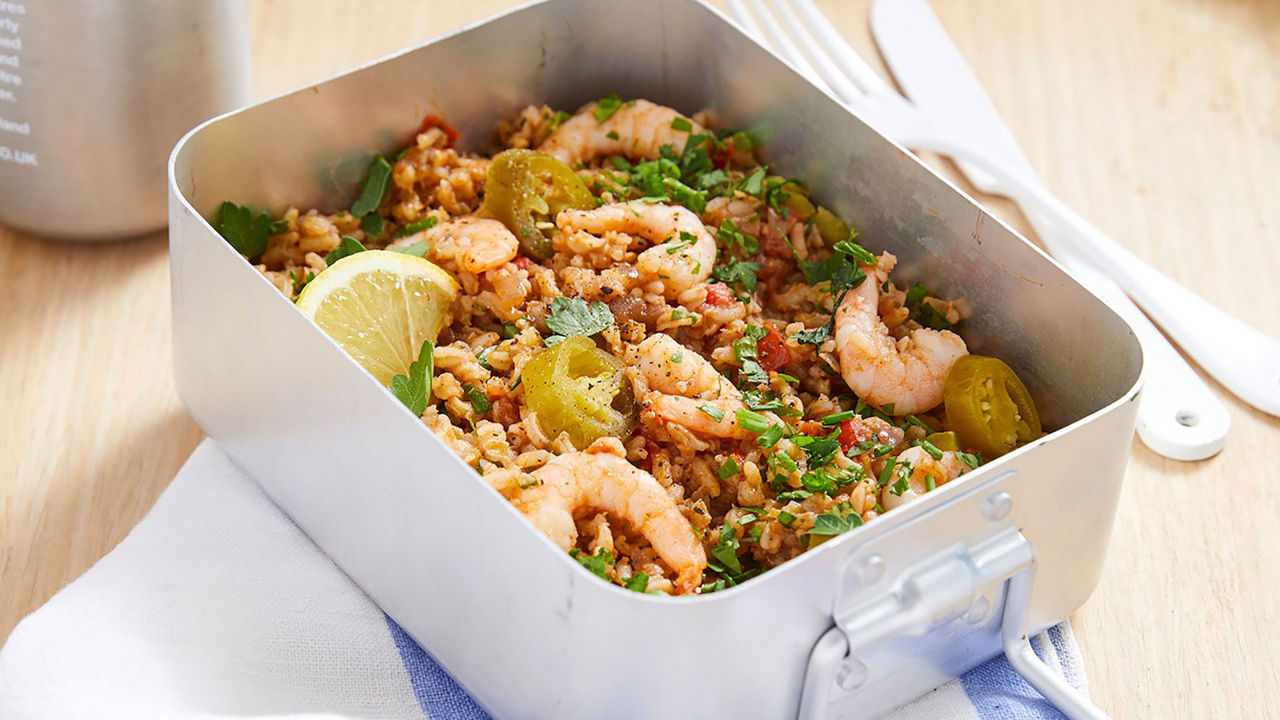
Try boosting your intake with these iodine-rich meals and snacks:

mom and baby

Need some help?

You can get quick answers to common questions in our FAQs.

Alternatively, if you need help with general pregnancy or baby advice, or maybe on using or ordering our products - our expert team are always on hand to talk about feeding your baby. 


  1. NHS. Iodine [Online]. 2017. Available at: www.nhs.uk/Conditions/vitamins-minerals/Pages/Iodine.aspx [Accessed March 2020]
  2. Delange F. Iodine requirements during pregnancy, lactation and the neonatal period and indicators of optimal iodine nutrition. Public Health Nutr 2007;10(12A):1571-1580.
  3. Bath SC, Rayman MP. Is iodine deficiency during pregnancy a public health concern in the UK? Nutr Bulletin 2013;38(4):400-404.
  4. British Dietetic Association. Food fact sheet: Iodine [Online]. 2019. Available at: https://www.bda.uk.com/resource/iodine.html [Accessed March 2020]
  5. Travnicek et al. Iodine content in raw milk [Online]. 2006. Available at: http://vri.cz/docs/vetmed/51-9-448.pdf [Accessed March 2020]
  6. Furmidge-Owen, V. A longitudinal study of iodine status throughout gestation in UK women [Online]. 2013. Available at: http://journals.cambridge.org/action/displayAbstract?fromPage=online&aid=9266486&fileId=S0029665114000524 [Accessed March 2020]

Share this article

Favourites_Cards

Join Aptaclub for a chance to win a £100 John Lewis voucher, plus expert feeding advice, expert parenting tools, helpful checklists and the latest deals straight to your inbox.

Your email will be used to create your account and to recognise you when you contact us. We may also use your email to match data for research purposes.
Loading....
This field is required Please retype or use an alternative email address with a minimum of two letters, containing an @ symbol i.e. email@email.co.uk Your email has been verified. You can now register Please verify your email before submitting. Name validation https://bpi.briteverify.com/api/public/v1/fullverify 2b465552-a427-4a22-b5a8-aaba7770bf1d
Your password must be a minimum of 8 characters, with at least 1 letter, 1 number and 1 special character.
This field is required Please ensure your passwords match and contain a minimum of 8 characters, with at least 1 letter, 1 number and 1 special character.
Cow & Gate products excluding first infant milks and food for special medical purposes.
Please tick this box
Before we send you advice and information on infant feeding (for babies below 6 months), we're required to ask for your consent.

It looks as though you already have an account with us via [Aptaclub/C&G Babyclub] – please try your password for that account to login, or click 'forgot my password' to reset.

Please correct the errors in the form

By registering you're confirming you agree with our T&Cs and Privacy Policy. You can opt out anytime.

x