Baby’s first bath: Everything you need to know about bathing for newborns
How to bathe a newborn: a step-by-step guide
There’s a lot to look forward to when you bring your baby home for the first time - and a lot to get to grips with too. As well as navigating feeds, naps, and (lots of) nappy changes, you might also be wondering how and when to bathe your newborn.
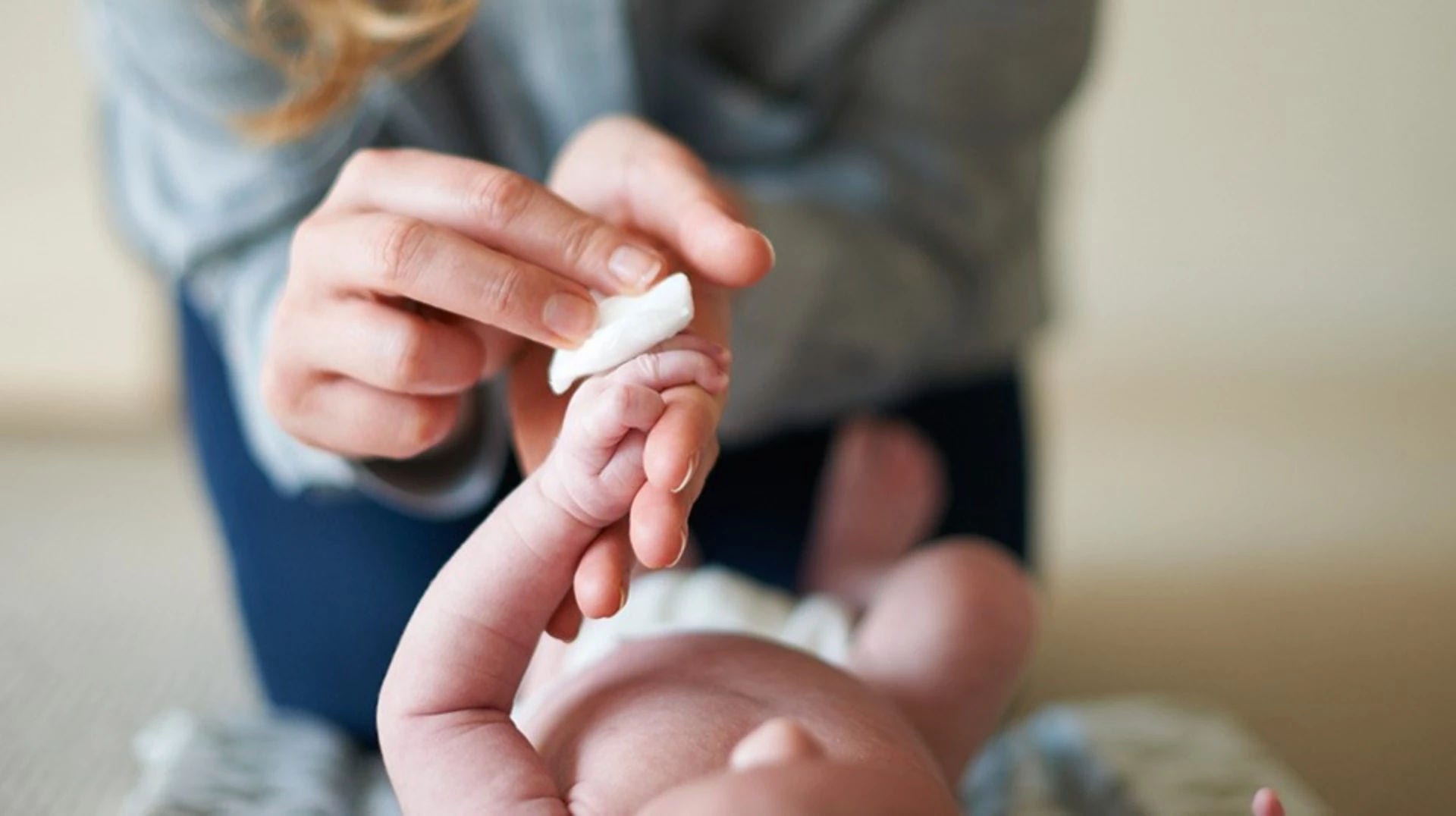
The good news is that, for the first few days and even weeks, your baby will likely not need a bath at all. Instead, you can ‘top and tail’ by gently wiping around their face and bottom with cotton pads. After that, you don’t need to bathe your newborn every day. 2-3 times a week will be more than enough to help keep them clean and protect their delicate skin.
Here we’ve got all the information you’ll need about bathing for newborns and your infant’s first bath. From when and how to bathe a newborn to how to keep your baby safe during bathtime, we’ve got you covered.
When to give your baby their first bath
The general advice about when to bathe newborn babies is to wait at least 24 hours after birth1.
When they’re first born, your baby is covered in a substance called vernix, a natural moisturiser that helps to protect your newborn’s delicate skin2. It’s important not to wash this substance away too early – it will naturally absorb into your baby’s skin over a few days.
You should also be sure to keep your baby’s umbilical cord clean and dry before it comes away on its own, which can take around a week2.
What you need: the bathing for newborns checklist
To bathe your baby, you’ll need3:
- A nice, warm and draught-free room ideally between 26 and 27°C1
- A baby bath or a clean washing-up bowl
- A couple of soft towels (hooded, if you like)
- Cotton wool or gauze swab
- A clean nappy and a change of clothes
- A thermometer is optional but helpful

Join Aptaclub for a chance to win a £100 John Lewis voucher, plus expert feeding advice, expert parenting tools, helpful checklists and the latest deals straight to your inbox.
By registering you're confirming you agree with our T&Cs and Privacy Policy. You can opt out anytime.
How to ‘top and tail’ your baby (step-by-step)
When it comes to how to bathe a newborn, the ‘top and tail’ method is a good place to start. Not strictly a bath, topping and tailing means washing your baby with warm water and cotton wool instead of putting them in a bath.
You can top and tail your baby to keep them clean before their umbilical cord comes away, and between baths if they just need a little clean.
Top and tailing should be done before a feed. Here’s our step-by-step guide on how to top and tail your baby3:
- Collect everything you need before you start: a changing mat, a bowl of warm water, cotton wool, a soft towel, a clean nappy, and a fresh set of clothes.
- Wrap your baby in their towel and lay them on their changing mat.
- Take some cotton wool, dip it in the water, and squeeze out any excess.
- Gently wipe around your baby’s eyes from the inside corners outwards, using a fresh piece of cotton wool for each eye.
- Use fresh cotton wool to wipe around (not inside) your baby’s ears.
- Clean your baby’s face, neck and hands, making sure to clean between any folds.
- Dry your baby with a towel.
- Remove your baby’s nappy and wipe around their bottom and genitals.
- If any wee or poo has found its way around your baby’s umbilical cord, gently wipe around the area with fresh cotton wool or gauze swab.
- Dry your baby, taking special care to dry between any skin folds.
- Dress your baby in a fresh nappy and clothes.
How to safely bathe your newborn in a tub
Bathing should be done before a feed. Follow our step-by-step guide on how to bathe a newborn safely3:
- Disinfect the area.
- Undress your baby to their nappy and wrap them in a warm towel.
- Gently clean your baby’s face with cotton wool and warm water.
- If you’d like to wash your baby’s hair, hold their head carefully over the bath and rinse their hair with water. Be sure not to splash any water over your baby’s face.
- Remove your baby’s nappy and wipe away any mess.
- Lower your baby gently into the bath, supporting their head and shoulders with your hand.
- Swish the water over your baby’s body, avoiding their face.
- When you’ve finished, carefully lift your baby from the bath.
Staying warm: water and room temperature
Your newborn baby can get cold very quickly, so it’s important to make sure that the room and their bath water are nice and warm.
You can get the temperature just right by1:
- Choosing a draught-free room that’s 26-27°C.
- Filling the bath with cold water first and then adding warm, mixing the water well to avoid any hot spots.
- Testing the water temperature with a thermometer. It should be 37-38°C.
- If you don’t have a thermometer, test the water with your elbow – it should be warm but not hot.
Should you use a bath seat?
Experts strongly recommend against using a bath seat4. Bath seats can easily come away from the bath and become unsafe, and babies can quickly drown in a very small amount of water without noise or struggle.
Never leave your baby unattended in the bath, even for a second.
Cleaning delicate areas: ears, eyes, and umbilical cord
Whether you’re topping and tailing or getting ready for your infant’s first bath in the tub, you’ll need to pay special attention to delicate areas like your baby’s ears, eyes, and cord.
How to clean baby ears3:
- Use a fresh piece of damp cotton wool to clean around each ear.
- Never wipe inside your baby’s ears with cotton wool or a cotton bud.
How to clean your baby’s eyes3:
- Using a piece of damp cotton wool, wipe gently from the inner corner of your baby’s eye near their nose to the outside of their eye.
- Use a fresh piece for each eye to avoid spreading any infections or stickiness.
How to clean around your baby’s umbilical cord3:
Your baby’s umbilical cord should dry out and come away after about a week. Before then, you’ll need to keep the area clean and dry. You’ll only need to clean the cord if it becomes dirty with any wee or poo. To do this, simply wipe around it gently with damp cotton wool, then dry5.
After the bath: drying, massage, and nail care
Once your baby’s finished in the bath, it’s time to get them nice and dry. Use a warm towel to gently pat your baby’s skin dry without rubbing. Pay special attention to any skin folds to make sure every bit of your baby’s skin is dried off. Then you can dress your baby in a clean nappy and fresh clothes.
After your baby’s bath, before you get them dressed, can be a nice time to give your baby a gentle massage. Baby massage can offer a range of benefits, including relaxation, bonding, and supporting your baby’s development6.
If your baby’s very relaxed after their bath, you might want to take the opportunity to trim their nails if they’re getting long or sharp4. You can use special clippers or scissors designed to safely trim babies’ nails or use a fine emery board to file them instead. If your baby’s still too wriggly, try cutting their nails while they’re asleep.
- NHS Greater Glasgow and Clyde Paediatrics for Health Professionals (2025). Bathing newborn infants [online]. Available at https://www.clinicalguidelines.scot.nhs.uk/ggc-paediatric-guidelines/ggc-paediatric-guidelines/neonatology/bathing-newborn-infants/ [Accessed December 2025]
- NHS (2024). Your newborn baby [online]. Available at https://www.nhs.uk/pregnancy/labour-and-birth/getting-to-know-your-newborn/ [Accessed December 2025]
- NHS Best Start in Life. Bathing your baby [online]. Available at https://www.nhs.uk/best-start-in-life/baby/baby-basics/caring-for-your-baby/bathing-your-baby/ [Accessed December 2025]
- NHS (2024). Washing and bathing your baby [online]. Available at https://www.nhs.uk/baby/caring-for-a-newborn/washing-and-bathing-your-baby/ [Accessed December 2025]
- NCT (2025). Bathing a baby [online]. Available at https://www.nct.org.uk/information/baby-toddler/caring-for-your-baby-or-toddler/bathing-baby [Accessed January 2026]
- Tommy's. Baby massage tips and how to get started [online]. Available at https://www.tommys.org/pregnancy-information/blogs-and-stories/im-pregnant/tommys-midwives/baby-massage [Accessed January 2026]
Last reviewed: April 2026
Reviewed by Nutricia’s Medical and Scientific Affairs Team

related articles